Check Engine Light Flashing vs. Solid - What is the Difference?

September 30, 2023

Your check engine light comes on in the middle of a commute -panic sets in. Is it a minor glitch or a major catastrophe? Few things are as enigmatic as the check engine light. 


Today, we embark on a journey to unravel this simple but concerning symbol - more specifically, the difference between a solid and flashing check engine light!


The Constant Guardian: The Solid Check Engine Light


Imagine your car's solid check engine light as a supervisor, always on the lookout for irregularities in your vehicle's performance. When it illuminates, it's the way for your car to say, "Hey, something isn't quite right here."


What Does It Mean, Exactly?


A solid check engine light often indicates a problem that, while important, may not be an emergency. It could be something as simple as a loose gas cap or a faulty sensor. However, it's essential not to ignore it, as even seemingly minor issues can escalate if left unaddressed.


Diagnostic Mode


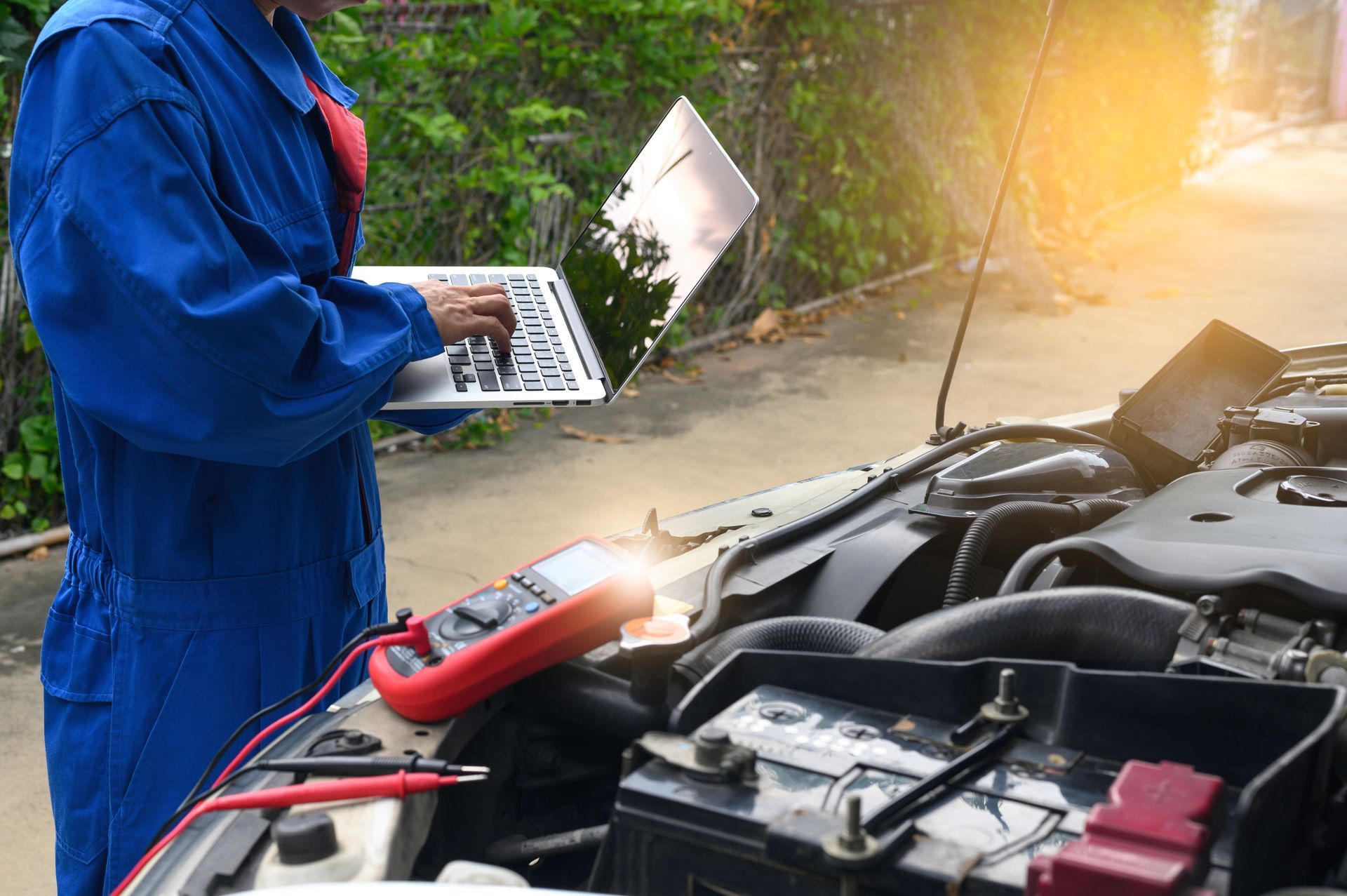
When the light is solid, it means your car's onboard computer has detected a fault code. To pinpoint the issue, a diagnostic tool is needed to read the code and determine the problem's nature. It's a crucial step in the repair process.


Flashing Check Engine Light - Immediate Action Needed


Now, let's talk about the flashing check engine light – it's like the car's equivalent of a siren. When it starts flashing, your vehicle is trying to get your immediate attention. But what could deserve such urgency?


Serious Misfire


A flashing check engine light typically signifies a severe problem, often related to the engine's performance. It could be a misfire, where one or more cylinders aren't firing correctly. This can lead to significant engine damage if not addressed promptly.


Catalytic Converter Damage


Continuous flashing could indicate a misfire that's dumping unburned fuel into the exhaust system. This can overheat and damage the catalytic converter, a costly repair.


Cooling System Failure


While the check engine light can be solid when something is wrong with your cooling system, when it starts to flash, serious consequences might be around the corner. If the temperature of your engine is not regulated, it can start to friction weld components, combust fuel, and many other problems.


What To Do When The Check Engine Light Starts Flashing


If your check engine light starts flashing, it's essential to pull over to a safe location and turn off your engine immediately. Continuing to drive with a flashing light can exacerbate the issue and lead to more extensive damage.


When in doubt or in need of help, contact Shawnee Station Automotive, and we will get that pesky check engine light off of your dashboard! You can also take a look at all of our other services and specials. 

How Can I Protect My Dashboard From Cracking | Shawnee Station Automotive Calgary, AB
April 30, 2026
Learn how to protect your dashboard from cracking with simple tips that reduce sun damage, heat, dryness, and long-term interior wear to keep your car looking its best.
April 3, 2026
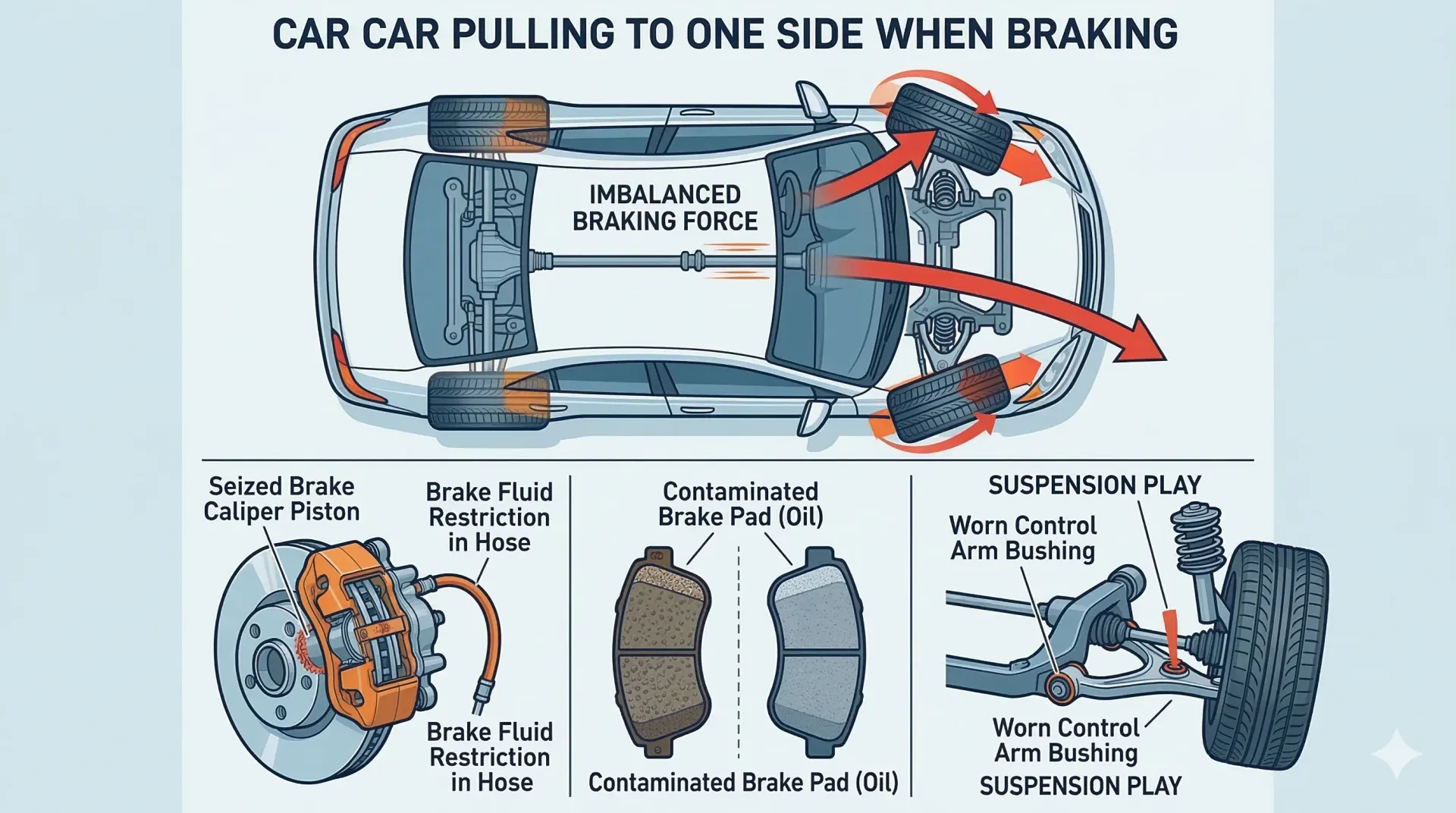
When a vehicle is functioning correctly, it should maintain a straight path during deceleration. If the steering wheel tugs to one side or the vehicle drifts toward the shoulder when you press the brake pedal, it is a clear indication of an imbalance in the braking or suspension system. This phenomenon is not merely an annoyance; it is a sign that one side of the vehicle is providing more stopping force than the other, or that the mechanical geometry of the car is compromised. The Primary Culprits of Brake Pulling Understanding why this occurs requires a look at how hydraulic and mechanical forces work together to stop a vehicle weighing several thousand pounds. 1. A Seized or "Stuck" Brake Caliper The brake caliper is the component that houses the brake pads and uses hydraulic pressure to squeeze them against the rotor. Inside the caliper is a piston. Over time, road grime, rust, or heat can cause this piston to seize. If the left caliper is seized: It may not apply pressure at all, causing the right side to do all the work. Consequently, the car pulls to the right. If the caliper is stuck "on": It might stay partially applied even when you are not braking, leading to extreme heat and a pull toward that side during operation. 2. A Collapsed Internal Brake Hose While the exterior of a brake hose might look fine, the internal lining can collapse. This creates a "one-way valve" effect. Brake fluid is forced into the caliper under high pressure when you step on the pedal, but it cannot return easily. This causes the brake on that side to stay applied longer than the other, resulting in a distinct pull. 3. Contaminated Brake Pads Brake pads require a specific coefficient of friction to work. If oil, grease, or leaking brake fluid gets onto the surface of the pads on one side of the car, those pads will lose their "bite." When you brake, the "clean" side will grab effectively while the "contaminated" side slides, pulling the car toward the side that is still working correctly. Comparing Causes of Pulling: At a Glance The following table outlines the most common reasons for a vehicle pulling during braking and how a technician identifies the root cause.
What Can A Computer Diagnostic Find About My Car? | Shawnee Station Automotive
March 27, 2026
Shawnee Station Automotive in Calgary, AB, explains what a computer diagnostic can reveal about your car beyond warning lights.
5 Most Common Reasons Your Car Fails An Emissions Test | Shawnee Station Automotive
February 27, 2026
Shawnee Station Automotive in Calgary, AB, explains five common reasons cars fail emissions tests and how to prepare for a retest.
What Does Low Coolant in the Reservoir Usually Mean? | Shawnee Station Automotive
January 30, 2026
Shawnee Station Automotive in Calgary, AB, explains what low coolant in the reservoir usually means and which cooling system leaks are most common.
Top Reasons Why You Should Use Your Vehicle's Owner's Manual | Shawnee Station Automotive
December 19, 2025
Shawnee Station Automotive in Calgary, AB, explains why using your vehicle’s owner’s manual can prevent mistakes and improve day-to-day car care.
How Does Uneven Tire Wear Hint at a Hidden Wheel Alignment Problem | Shawnee Station Automotive
November 28, 2025
Shawnee Station Automotive in Calgary, AB, discusses how uneven tire wear can point to hidden alignment issues you might not see at first glance.
5 Reasons to Use a Block Heater in the Cold Alberta Weather | Shawnee Station Automotive
October 31, 2025
Shawnee Station Automotive in Calgary, AB, shares five practical benefits of using a block heater to protect your engine in freezing weather.
Is Your Car’s Suspension Ready for Rough, Icy Roads in Alberta? | Shawnee Station Automotive
September 26, 2025
Shawnee Station Automotive in Calgary, AB, explains how to prepare your suspension for icy Alberta winter driving.
Top 5 Back-to-School Car Maintenance Tips | Shawnee Station Automotive
August 29, 2025
Shawnee Station Automotive in Calgary, AB, shares top back-to-school car maintenance tips to keep your vehicle safe and reliable.