Should I Get a Vehicle Inspection After a Harsh Winter?

March 28, 2025

Winter in Calgary can take a serious toll on your vehicle. Freezing temperatures, icy roads, and heavy snowfall put stress on critical components, and by the time spring arrives, hidden damage may have already developed. While your car may seem to be running fine, winter wear and tear can lead to costly repairs if left unchecked. Getting a post-winter vehicle inspection ensures that your car is ready for the changing seasons and helps prevent unexpected breakdowns or safety hazards.


How Winter Affects Your Vehicle


Cold weather can cause parts to contract and weaken, and road salt can lead to corrosion and rust on metal components. Ice, slush, and moisture also increase the risk of fluid contamination, electrical issues, and worn-out tires. Even if you haven’t noticed any major problems, some winter-related damage may not be visible without a proper inspection.


Key Areas to Check After Winter


Battery and Charging System

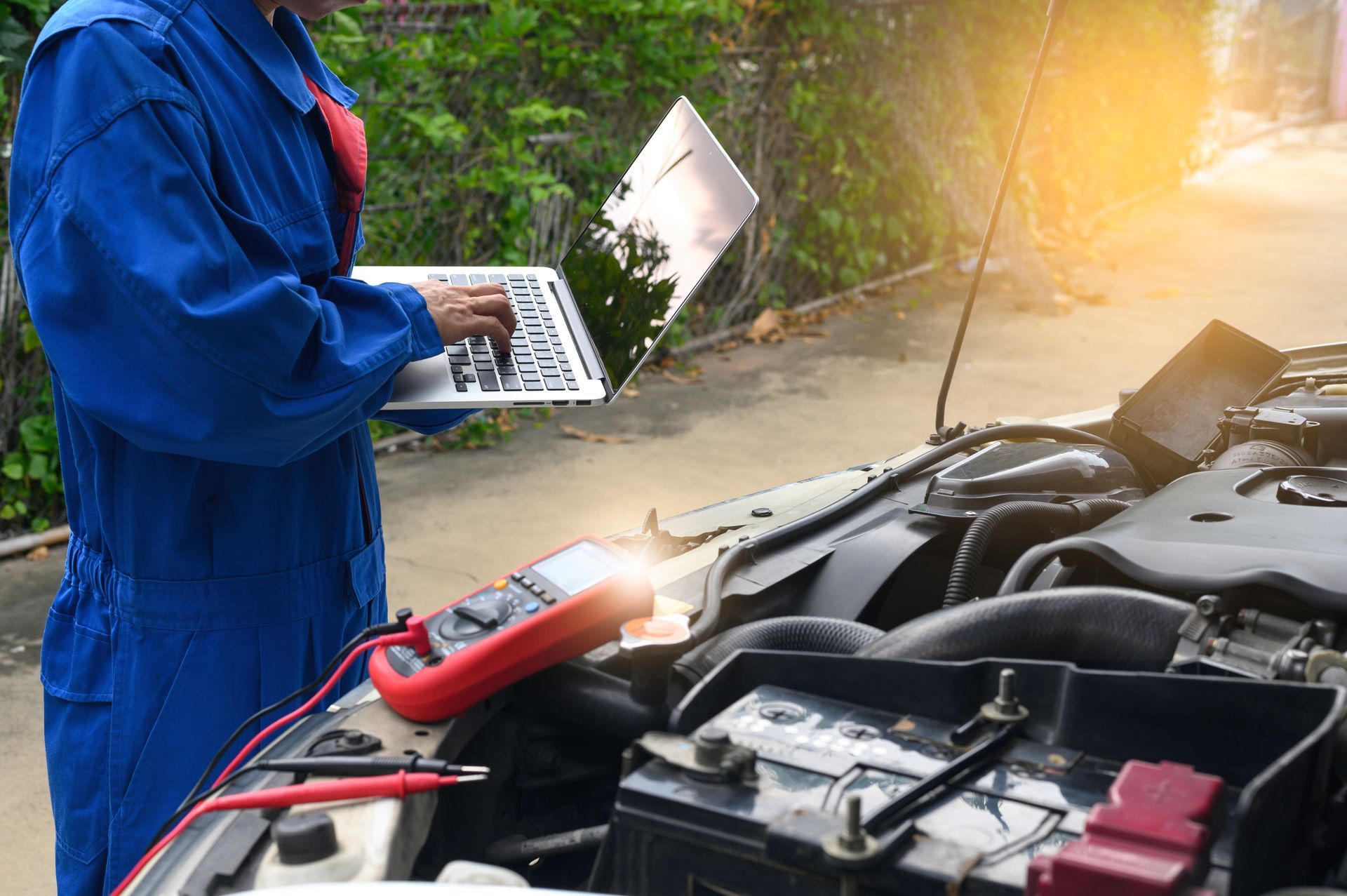
Cold temperatures reduce a battery’s efficiency, and extreme winter conditions can weaken its charge. If your car was slow to start on cold mornings, or if the battery is more than three years old, it may not have much life left. A professional battery test can determine whether it needs replacing before it fails unexpectedly.


Brakes and Suspension

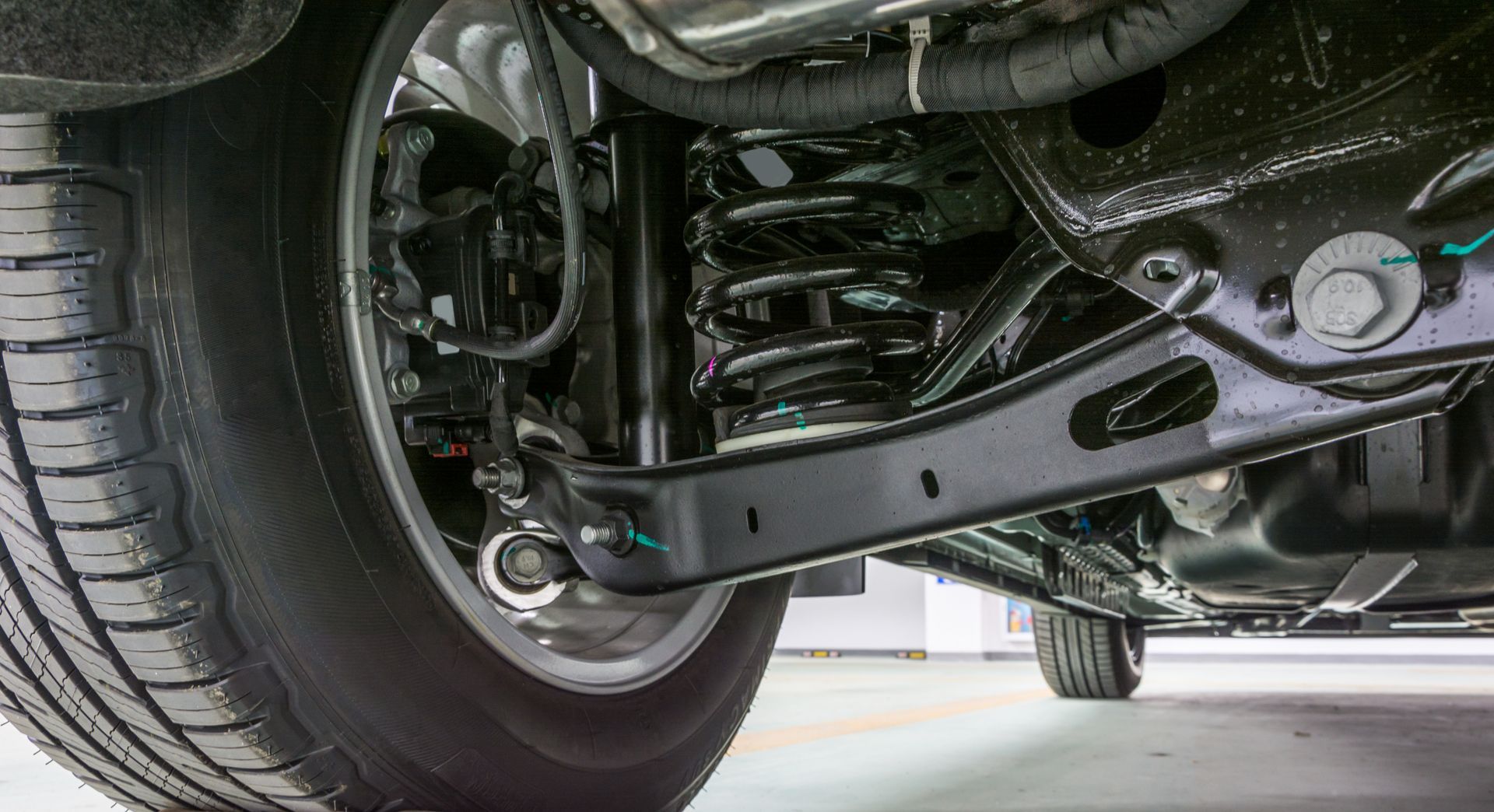
Winter roads often mean harsh braking, deep potholes, and rough terrain, all of which can wear down brake pads and damage suspension components. If you’ve noticed shaking, longer stopping distances, or a spongy brake pedal, your brakes or rotors may need servicing. Additionally, pothole impacts can knock your suspension out of alignment, leading to uneven tire wear and poor handling.


Tires and Alignment

Winter tires wear faster, especially if they are exposed to dry roads and rough surfaces. If you used winter tires, now is the time to switch back to all-season or summer tires. A tire inspection will check for uneven tread wear, cracks, and pressure issues. Since winter driving can also affect wheel alignment, a post-winter alignment check helps prevent handling problems and improves fuel efficiency.


Fluids and Oil Condition

Cold weather thickens fluids, making them less effective in lubricating and cooling engine components. Checking and replacing engine oil, coolant, brake fluid, and transmission fluid ensures that your vehicle is operating at peak efficiency. If you haven’t had an oil change since before winter, now is the perfect time to refresh it and prevent excessive engine wear.


Underbody and Exhaust System

Salt and moisture from winter roads can accelerate rust buildup on your car’s undercarriage. Rust can weaken structural components, brake lines, and exhaust pipes, leading to costly repairs. A professional inspection can spot early signs of corrosion and prevent long-term damage.


Post-Winter Inspection is Worth It


A seasonal inspection is more than just routine maintenance—it’s preventative care that keeps your car safe, reliable, and efficient. Addressing winter-related wear early can help avoid costly breakdowns, extend the life of your vehicle, and give you confidence on the road as temperatures rise.


Get Your Inspection at Shawnee Station Automotive


Winter driving in Calgary puts strain on every part of your vehicle. A comprehensive post-winter inspection at Shawnee Station Automotive can help catch battery issues, brake wear, fluid contamination, and alignment problems before they turn into major repairs. Get your car checked today and make sure it’s ready for the seasons ahead.


Cold weather can hide serious vehicle issues. Visit Shawnee Station Automotive for a full post-winter inspection and drive with confidence this spring.
How Can I Protect My Dashboard From Cracking | Shawnee Station Automotive Calgary, AB
April 30, 2026
Learn how to protect your dashboard from cracking with simple tips that reduce sun damage, heat, dryness, and long-term interior wear to keep your car looking its best.
April 3, 2026
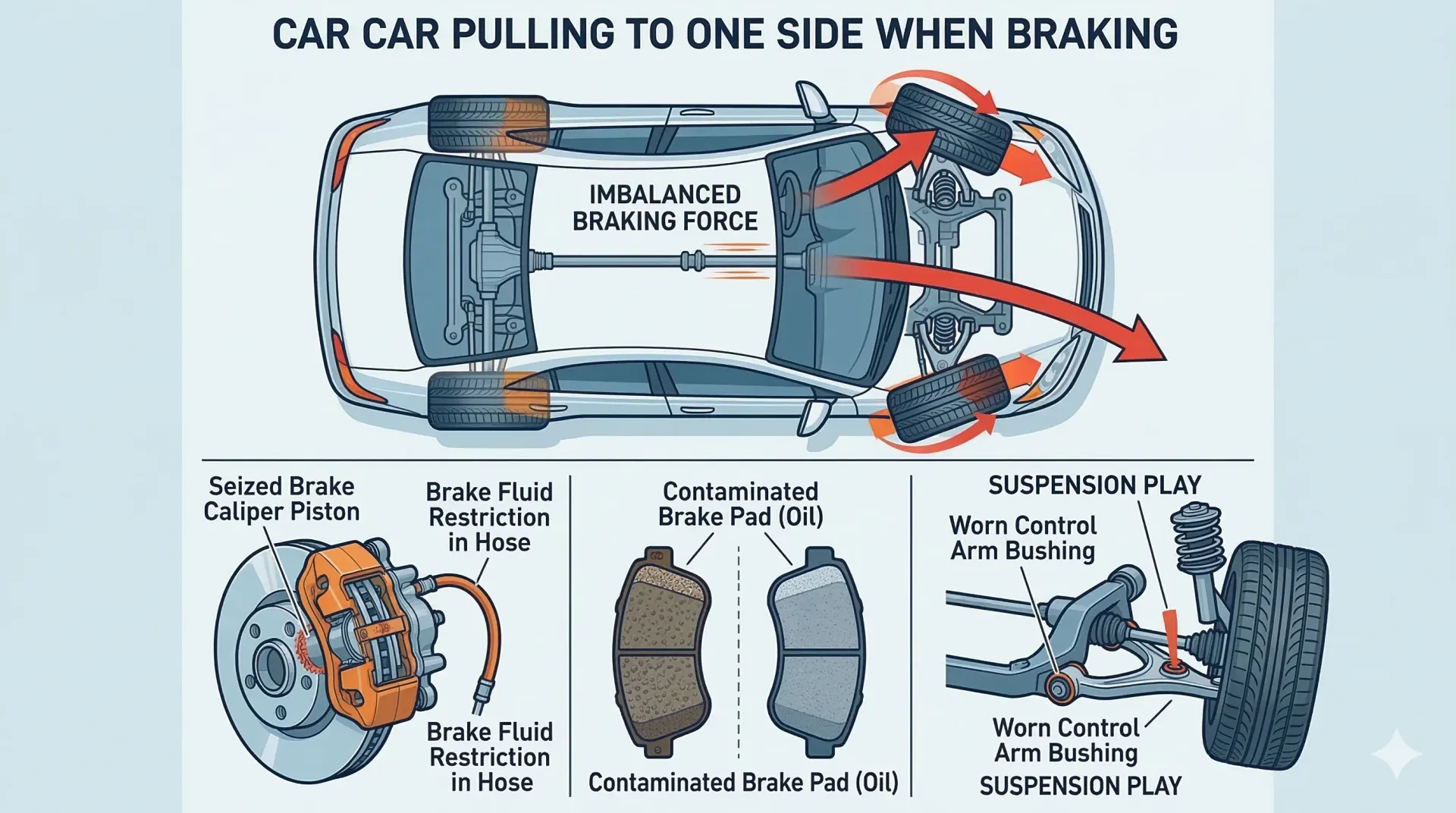
When a vehicle is functioning correctly, it should maintain a straight path during deceleration. If the steering wheel tugs to one side or the vehicle drifts toward the shoulder when you press the brake pedal, it is a clear indication of an imbalance in the braking or suspension system. This phenomenon is not merely an annoyance; it is a sign that one side of the vehicle is providing more stopping force than the other, or that the mechanical geometry of the car is compromised. The Primary Culprits of Brake Pulling Understanding why this occurs requires a look at how hydraulic and mechanical forces work together to stop a vehicle weighing several thousand pounds. 1. A Seized or "Stuck" Brake Caliper The brake caliper is the component that houses the brake pads and uses hydraulic pressure to squeeze them against the rotor. Inside the caliper is a piston. Over time, road grime, rust, or heat can cause this piston to seize. If the left caliper is seized: It may not apply pressure at all, causing the right side to do all the work. Consequently, the car pulls to the right. If the caliper is stuck "on": It might stay partially applied even when you are not braking, leading to extreme heat and a pull toward that side during operation. 2. A Collapsed Internal Brake Hose While the exterior of a brake hose might look fine, the internal lining can collapse. This creates a "one-way valve" effect. Brake fluid is forced into the caliper under high pressure when you step on the pedal, but it cannot return easily. This causes the brake on that side to stay applied longer than the other, resulting in a distinct pull. 3. Contaminated Brake Pads Brake pads require a specific coefficient of friction to work. If oil, grease, or leaking brake fluid gets onto the surface of the pads on one side of the car, those pads will lose their "bite." When you brake, the "clean" side will grab effectively while the "contaminated" side slides, pulling the car toward the side that is still working correctly. Comparing Causes of Pulling: At a Glance The following table outlines the most common reasons for a vehicle pulling during braking and how a technician identifies the root cause.
What Can A Computer Diagnostic Find About My Car? | Shawnee Station Automotive
March 27, 2026
Shawnee Station Automotive in Calgary, AB, explains what a computer diagnostic can reveal about your car beyond warning lights.
5 Most Common Reasons Your Car Fails An Emissions Test | Shawnee Station Automotive
February 27, 2026
Shawnee Station Automotive in Calgary, AB, explains five common reasons cars fail emissions tests and how to prepare for a retest.
What Does Low Coolant in the Reservoir Usually Mean? | Shawnee Station Automotive
January 30, 2026
Shawnee Station Automotive in Calgary, AB, explains what low coolant in the reservoir usually means and which cooling system leaks are most common.
Top Reasons Why You Should Use Your Vehicle's Owner's Manual | Shawnee Station Automotive
December 19, 2025
Shawnee Station Automotive in Calgary, AB, explains why using your vehicle’s owner’s manual can prevent mistakes and improve day-to-day car care.
How Does Uneven Tire Wear Hint at a Hidden Wheel Alignment Problem | Shawnee Station Automotive
November 28, 2025
Shawnee Station Automotive in Calgary, AB, discusses how uneven tire wear can point to hidden alignment issues you might not see at first glance.
5 Reasons to Use a Block Heater in the Cold Alberta Weather | Shawnee Station Automotive
October 31, 2025
Shawnee Station Automotive in Calgary, AB, shares five practical benefits of using a block heater to protect your engine in freezing weather.
Is Your Car’s Suspension Ready for Rough, Icy Roads in Alberta? | Shawnee Station Automotive
September 26, 2025
Shawnee Station Automotive in Calgary, AB, explains how to prepare your suspension for icy Alberta winter driving.
Top 5 Back-to-School Car Maintenance Tips | Shawnee Station Automotive
August 29, 2025
Shawnee Station Automotive in Calgary, AB, shares top back-to-school car maintenance tips to keep your vehicle safe and reliable.