How to Tell If Your Car Has Electrical Problems

June 27, 2025

Today’s vehicles depend on complex electrical systems to power everything from headlights and windows to ignition and engine control. When an issue arises in the electrical system, it can impact performance, safety, and comfort. Unlike mechanical issues that produce noise or vibrations, electrical problems often reveal themselves through flickering lights, slow cranking, or erratic electronics.


Recognizing the signs early can help you avoid unexpected breakdowns or more serious damage.


Common Symptoms of Electrical Trouble


Electrical issues don’t always start with a dead battery. Many begin with small changes in your car’s behavior. Some of the most common signs include:


  • Dim or flickering headlights
  • Power windows or locks that work intermittently
  • Dash lights behaving oddly or not illuminating
  • Radio or infotainment system cutting out
  • Trouble starting the car or slow engine cranking


If you experience one or more of these symptoms, there’s a good chance something in your car’s electrical system is either draining power or not receiving it properly.


Battery or Alternator—Which Is It


When your car has trouble starting, most people assume the battery is the culprit. That’s often true, but the alternator could also be the issue. The battery supplies the power needed to start the vehicle, but the alternator keeps everything running after the engine is on.


Here’s how to tell the difference:


  • If your car won’t start and the lights are dim or completely dead, the battery is likely drained.
  • If your car starts, but electronics fail while driving, or the battery keeps dying, the alternator may not be charging it properly.
  • It’s also possible to have a weak battery and a failing alternator at the same time, so both should be tested if you’re experiencing symptoms.


Blown Fuses and Wiring Problems


A blown fuse can cause specific systems, such as the stereo, horn, or power seats, to stop functioning. Fuses are designed to protect the electrical circuit, so if one blows, it might be due to a power surge or short circuit.


However, if you keep replacing the same fuse and it keeps blowing, that’s a sign of a deeper issue. Damaged or frayed wires, corroded connectors, or moisture intrusion can all cause shorts that require professional diagnosis and repair.


Parasitic Battery Drain


Ever returned to your car after a day or two and found the battery completely dead, even though you didn’t leave the lights on? A parasitic drain could cause that. An electrical component drawing power even when the car is off.


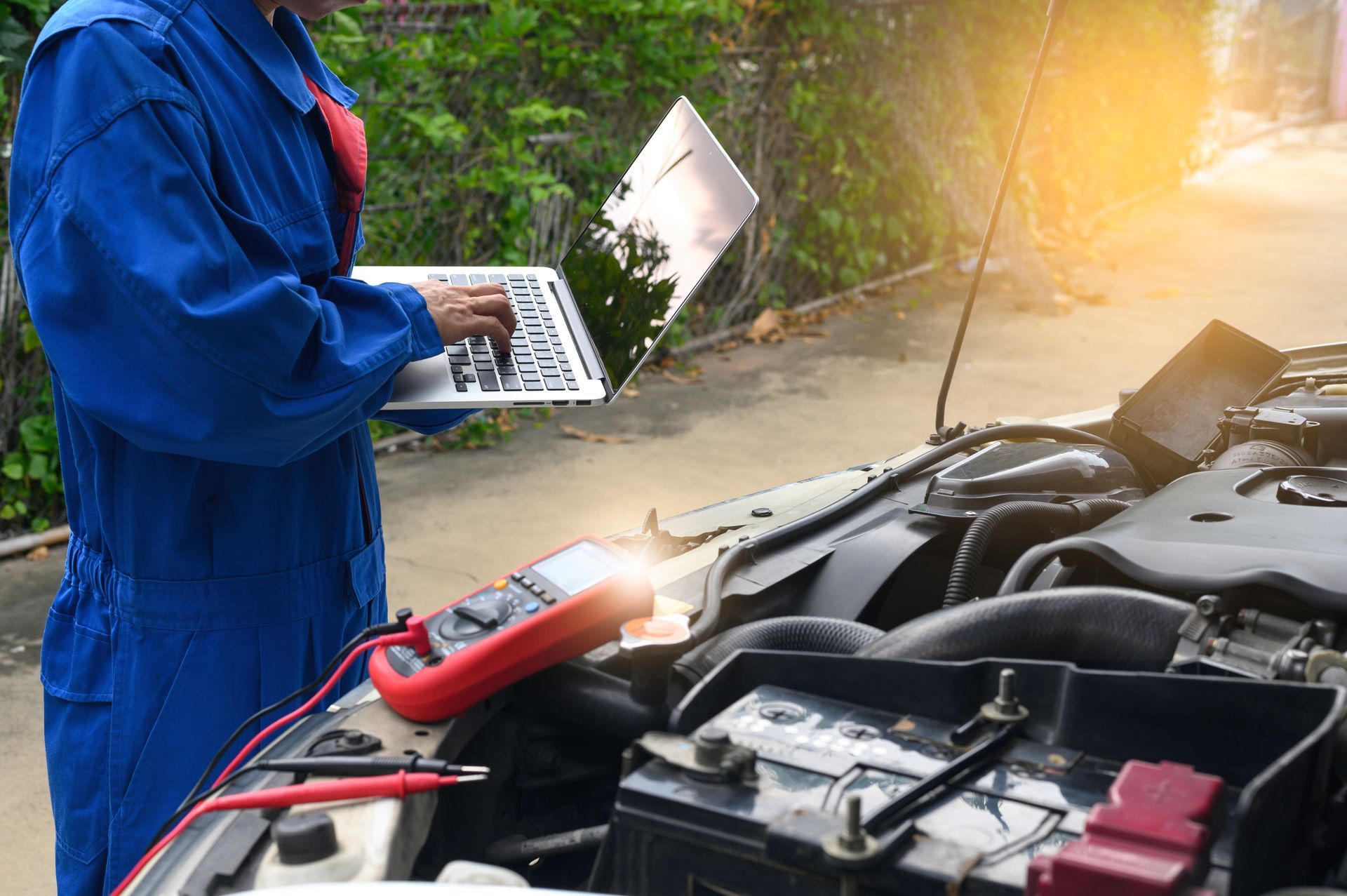
Faulty modules, glove box lights, or accessories like dash cams and phone chargers can continue to use electricity, slowly draining your battery overnight. Technicians can locate the issue with a multimeter to identify the faulty circuit.


Dashboard Warning Lights and Error Codes


Electrical issues often trigger warning lights like the battery light, check engine light or traction control light. These lights may flicker or stay on depending on the severity of the issue.


Using a scan tool, technicians can retrieve error codes stored in your vehicle’s computer. These codes point to which system or component needs attention and help speed up the diagnostic process.


When to Get Your Electrical System Checked


If your car is experiencing multiple electrical issues at once, or you notice a sudden drop in performance of lights, accessories, or starting ability, don’t wait. Ignoring these signs could leave you stranded or result in more costly repairs later.


Even if the problem seems minor, it could indicate a failing connection or wiring fault. Regular electrical system inspections help catch these issues early.


Stay Powered With Shawnee Station Automotive in Calgary, AB


Electrical problems can be frustrating and unpredictable, but the right diagnostics make all the difference. Our experienced technicians have the tools and training to test your battery, alternator, fuses, and wiring to find the root of the issue quickly and accurately.


Call Shawnee Station Automotive in Calgary, AB, today to schedule an electrical system inspection and keep your vehicle running smoothly and safely.
April 3, 2026
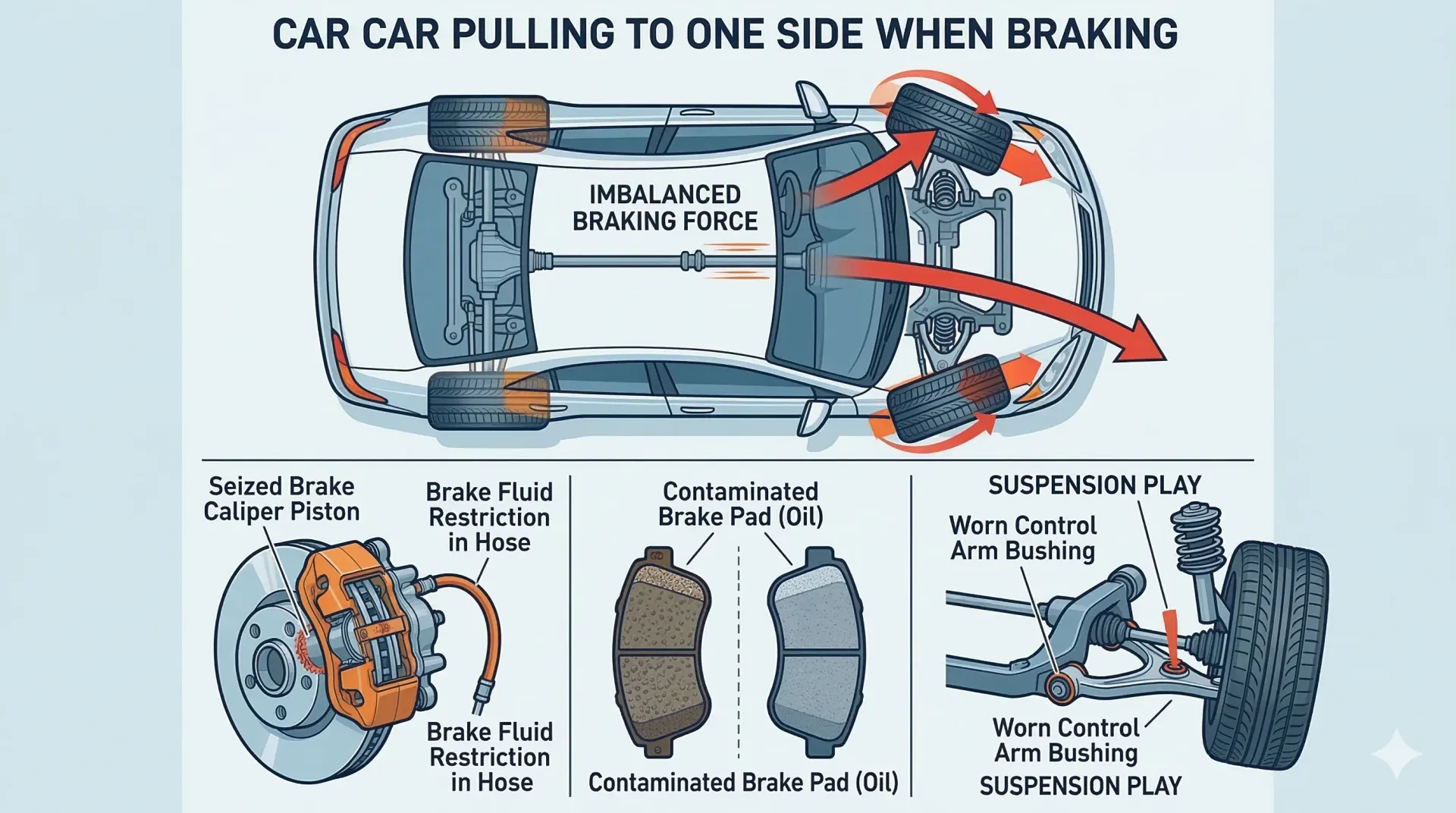
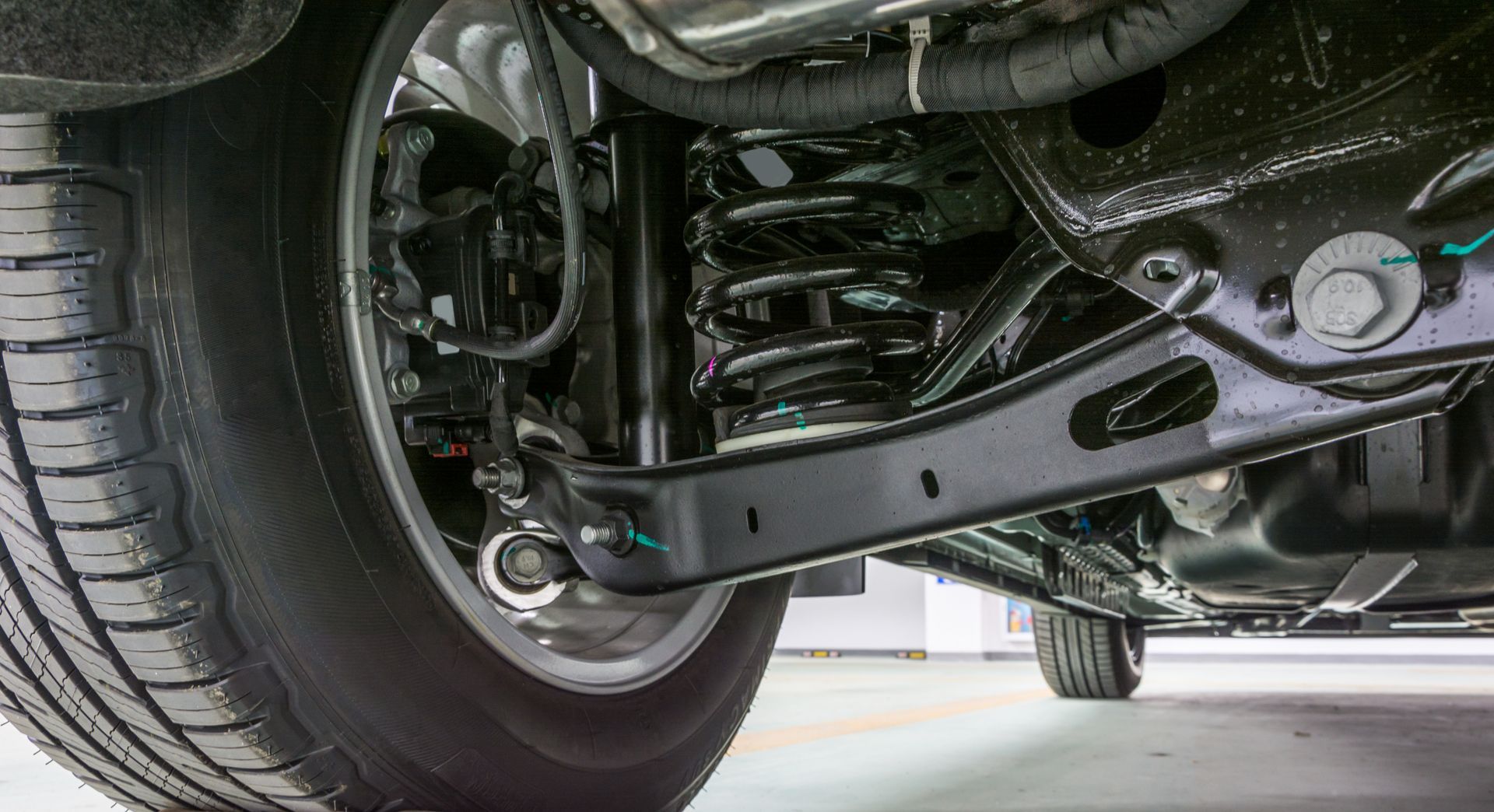
When a vehicle is functioning correctly, it should maintain a straight path during deceleration. If the steering wheel tugs to one side or the vehicle drifts toward the shoulder when you press the brake pedal, it is a clear indication of an imbalance in the braking or suspension system. This phenomenon is not merely an annoyance; it is a sign that one side of the vehicle is providing more stopping force than the other, or that the mechanical geometry of the car is compromised. The Primary Culprits of Brake Pulling Understanding why this occurs requires a look at how hydraulic and mechanical forces work together to stop a vehicle weighing several thousand pounds. 1. A Seized or "Stuck" Brake Caliper The brake caliper is the component that houses the brake pads and uses hydraulic pressure to squeeze them against the rotor. Inside the caliper is a piston. Over time, road grime, rust, or heat can cause this piston to seize. If the left caliper is seized: It may not apply pressure at all, causing the right side to do all the work. Consequently, the car pulls to the right. If the caliper is stuck "on": It might stay partially applied even when you are not braking, leading to extreme heat and a pull toward that side during operation. 2. A Collapsed Internal Brake Hose While the exterior of a brake hose might look fine, the internal lining can collapse. This creates a "one-way valve" effect. Brake fluid is forced into the caliper under high pressure when you step on the pedal, but it cannot return easily. This causes the brake on that side to stay applied longer than the other, resulting in a distinct pull. 3. Contaminated Brake Pads Brake pads require a specific coefficient of friction to work. If oil, grease, or leaking brake fluid gets onto the surface of the pads on one side of the car, those pads will lose their "bite." When you brake, the "clean" side will grab effectively while the "contaminated" side slides, pulling the car toward the side that is still working correctly. Comparing Causes of Pulling: At a Glance The following table outlines the most common reasons for a vehicle pulling during braking and how a technician identifies the root cause.
What Can A Computer Diagnostic Find About My Car? | Shawnee Station Automotive
March 27, 2026
Shawnee Station Automotive in Calgary, AB, explains what a computer diagnostic can reveal about your car beyond warning lights.
5 Most Common Reasons Your Car Fails An Emissions Test | Shawnee Station Automotive
February 27, 2026
Shawnee Station Automotive in Calgary, AB, explains five common reasons cars fail emissions tests and how to prepare for a retest.
What Does Low Coolant in the Reservoir Usually Mean? | Shawnee Station Automotive
January 30, 2026
Shawnee Station Automotive in Calgary, AB, explains what low coolant in the reservoir usually means and which cooling system leaks are most common.
Top Reasons Why You Should Use Your Vehicle's Owner's Manual | Shawnee Station Automotive
December 19, 2025
Shawnee Station Automotive in Calgary, AB, explains why using your vehicle’s owner’s manual can prevent mistakes and improve day-to-day car care.
How Does Uneven Tire Wear Hint at a Hidden Wheel Alignment Problem | Shawnee Station Automotive
November 28, 2025
Shawnee Station Automotive in Calgary, AB, discusses how uneven tire wear can point to hidden alignment issues you might not see at first glance.
5 Reasons to Use a Block Heater in the Cold Alberta Weather | Shawnee Station Automotive
October 31, 2025
Shawnee Station Automotive in Calgary, AB, shares five practical benefits of using a block heater to protect your engine in freezing weather.
Is Your Car’s Suspension Ready for Rough, Icy Roads in Alberta? | Shawnee Station Automotive
September 26, 2025
Shawnee Station Automotive in Calgary, AB, explains how to prepare your suspension for icy Alberta winter driving.
Top 5 Back-to-School Car Maintenance Tips | Shawnee Station Automotive
August 29, 2025
Shawnee Station Automotive in Calgary, AB, shares top back-to-school car maintenance tips to keep your vehicle safe and reliable.
What Happens When Your Vehicle’s Sensors Misfire? | Shawnee Station Automotive
July 25, 2025
Shawnee Station Automotive in Calgary, AB, explains how sensor issues can affect your car’s performance and safety systems.