How Does Uneven Tire Wear Hint at a Hidden Wheel Alignment Problem

November 28, 2025

Uneven tire wear is more than an appearance issue. The tread pattern records how your wheels meet the road and whether the suspension and steering angles have drifted out of spec. Catching the pattern early preserves tires, improves braking, and keeps the steering calm and centered.


What Uneven Tire Wear Really Tells You


Tires are built to spread the load evenly. When alignment angles shift, pressure concentrates on smaller areas, and rubber disappears faster than expected. Calgary’s potholes, curb strikes, and freeze and thaw cycles can nudge alignment out of range without any big event. If your steering wheel sits off-center or a low hum grows louder with speed, alignment may be part of the story.


Inner-Edge Wear: Excess Negative Camber or Toe-Out


When the inside shoulders fade while the outer tread looks healthy, think about camber and toe. Too much negative camber tilts the tire inward and scrubs the inner edge. Toe-out adds drag that shaves rubber mile after mile. Drivers often describe a light, nervous feel on straight roads. Leave it long enough and cords can show even though the tire still looks decent from the outside.


Outer-Edge Wear: Positive Camber or Tight, Frequent Turns


Outer shoulders wear quickly when the tire leans outward or when daily driving loads the outer edge hard. Excess positive camber or incorrect toe pushes the contact patch toward that shoulder. Tight city turns and quick parking maneuvers make the pattern worse. If only one front tire shows outer wear, a bent component or one hard curb hit may be the reason, even if the car still tracks straight.


Feathered Tread Blocks: Clear Sign of Toe Error


Run your palm across the tread. If it feels smooth in one direction and sharp in the other, you are feeling feathering. That sawtooth texture points to toe misalignment, dragging the tread sideways instead of letting it roll. Feathering raises heat, adds road noise, and can create a faint vibration that mimics a rough surface. It can show up on fairly new tires, which is a strong hint to check alignment now.


Cupping or Scalloping: Check the Suspension Too


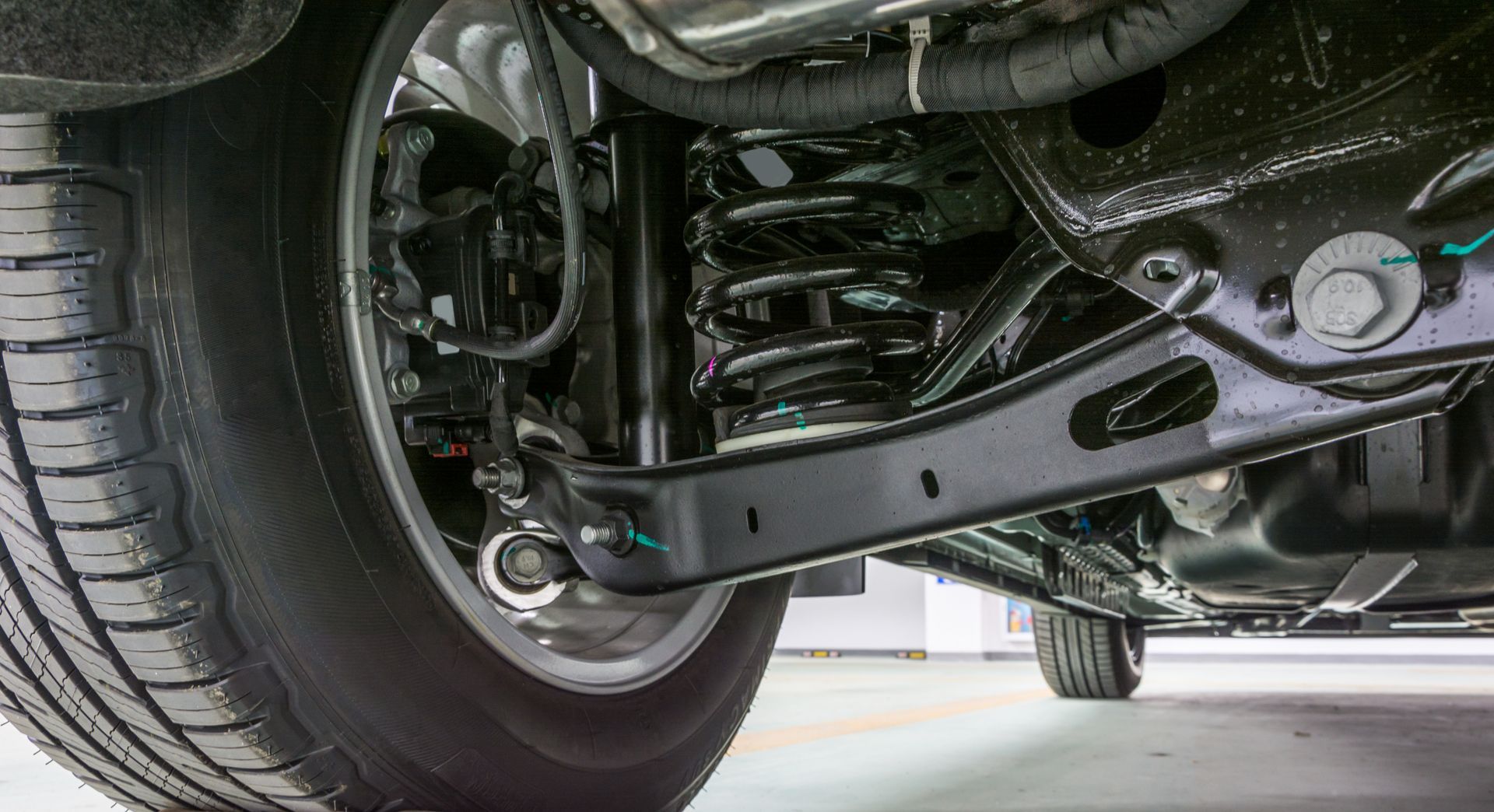
Cupping looks like small scoops cut around the tire. Alignment can contribute, but worn shocks or struts, tired bushings, or a loose wheel bearing are common causes. The tire bounces instead of staying planted, so it hits the road unevenly. You may hear a rhythmic growl that grows with speed. An alignment helps, yet restoring shock and strut control is what stops the pattern from returning.


When to Schedule an Alignment Check


Book an inspection if you see abnormal wear, if the steering wheel no longer centers, or if you constantly correct to stay straight. Plan an alignment after any suspension work, after new tires, or after a hard impact. Rotations every 10,000 km help reveal patterns early. If the same corner keeps wearing fast after a rotation cycle, a geometry or component issue is likely waiting to be fixed.


Small Adjustments, Big Payoff


A few millimeters of toe out of range can cut thousands of kilometers off tire life. Bringing camber back into spec spreads the load across the tread again. Centering the steering wheel confirms both front wheels are pointed along the same path. After adjustments, a road test should show stable straight-line tracking, quiet operation, and steering that naturally returns to center.


Why Calgary Roads Accelerate Wear


Seasonal temperature swings, potholes, and snow ruts are tough on alignment hardware and rubber bushings. Even careful drivers collect small impacts over the winter. Those little shifts add up, and the tires tell the tale first. A quick alignment check before long trips or seasonal change helps keep the tread wearing evenly and the car braking predictably.


Wheel Alignment in Calgary With Shawnee Station Automotive


Seeing inner-edge wear, feathering, or cupping on your tires? Schedule a professional alignment inspection in Calgary. We’ll measure every angle, assess the suspension, and explain exactly what needs attention so your tires last longer and your car tracks straight.


Book a visit and drive away with confident steering and even tread wear.
How Can I Protect My Dashboard From Cracking | Shawnee Station Automotive Calgary, AB
April 30, 2026
Learn how to protect your dashboard from cracking with simple tips that reduce sun damage, heat, dryness, and long-term interior wear to keep your car looking its best.
April 3, 2026
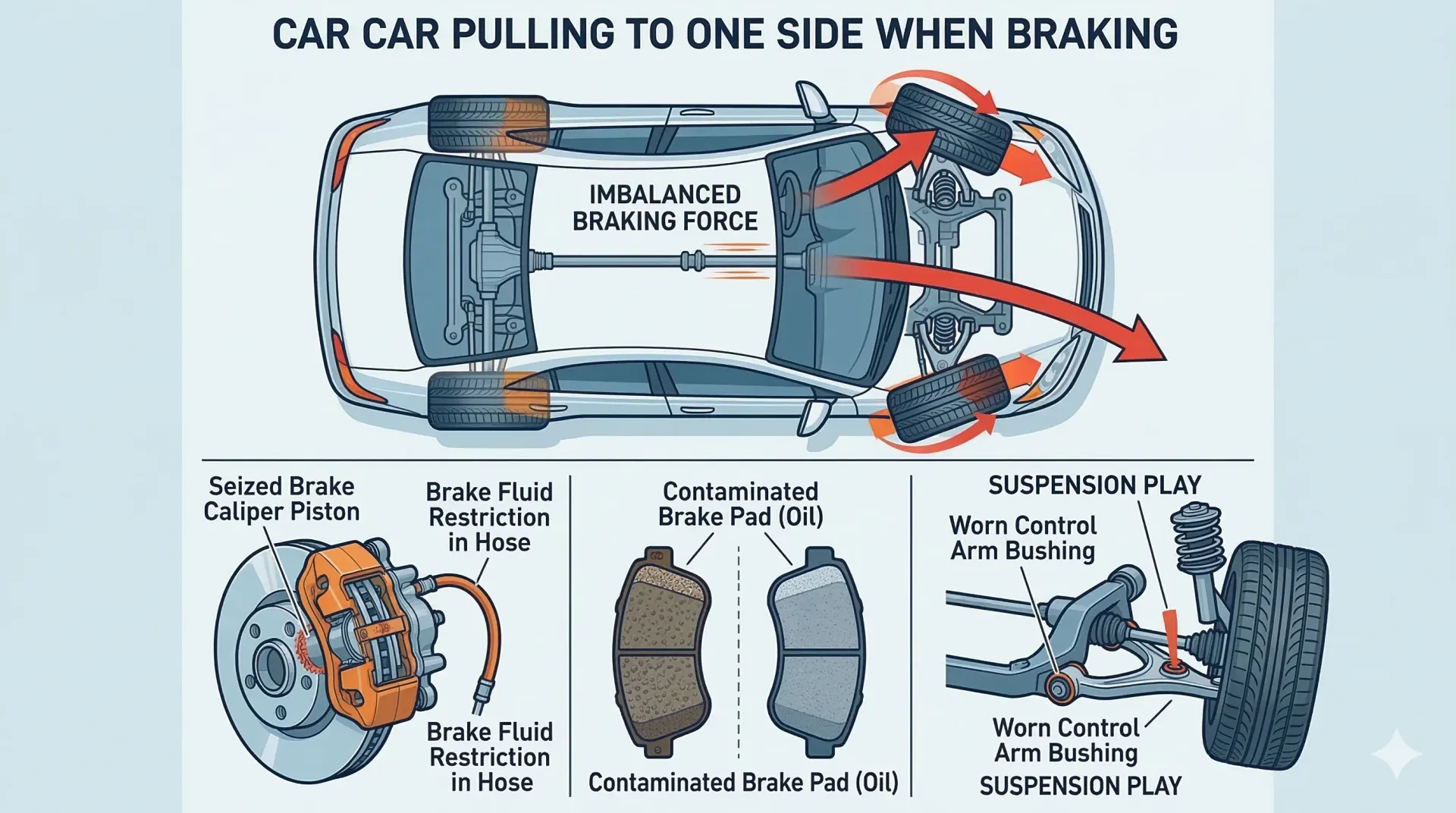
When a vehicle is functioning correctly, it should maintain a straight path during deceleration. If the steering wheel tugs to one side or the vehicle drifts toward the shoulder when you press the brake pedal, it is a clear indication of an imbalance in the braking or suspension system. This phenomenon is not merely an annoyance; it is a sign that one side of the vehicle is providing more stopping force than the other, or that the mechanical geometry of the car is compromised. The Primary Culprits of Brake Pulling Understanding why this occurs requires a look at how hydraulic and mechanical forces work together to stop a vehicle weighing several thousand pounds. 1. A Seized or "Stuck" Brake Caliper The brake caliper is the component that houses the brake pads and uses hydraulic pressure to squeeze them against the rotor. Inside the caliper is a piston. Over time, road grime, rust, or heat can cause this piston to seize. If the left caliper is seized: It may not apply pressure at all, causing the right side to do all the work. Consequently, the car pulls to the right. If the caliper is stuck "on": It might stay partially applied even when you are not braking, leading to extreme heat and a pull toward that side during operation. 2. A Collapsed Internal Brake Hose While the exterior of a brake hose might look fine, the internal lining can collapse. This creates a "one-way valve" effect. Brake fluid is forced into the caliper under high pressure when you step on the pedal, but it cannot return easily. This causes the brake on that side to stay applied longer than the other, resulting in a distinct pull. 3. Contaminated Brake Pads Brake pads require a specific coefficient of friction to work. If oil, grease, or leaking brake fluid gets onto the surface of the pads on one side of the car, those pads will lose their "bite." When you brake, the "clean" side will grab effectively while the "contaminated" side slides, pulling the car toward the side that is still working correctly. Comparing Causes of Pulling: At a Glance The following table outlines the most common reasons for a vehicle pulling during braking and how a technician identifies the root cause.
What Can A Computer Diagnostic Find About My Car? | Shawnee Station Automotive
March 27, 2026
Shawnee Station Automotive in Calgary, AB, explains what a computer diagnostic can reveal about your car beyond warning lights.
5 Most Common Reasons Your Car Fails An Emissions Test | Shawnee Station Automotive
February 27, 2026
Shawnee Station Automotive in Calgary, AB, explains five common reasons cars fail emissions tests and how to prepare for a retest.
What Does Low Coolant in the Reservoir Usually Mean? | Shawnee Station Automotive
January 30, 2026
Shawnee Station Automotive in Calgary, AB, explains what low coolant in the reservoir usually means and which cooling system leaks are most common.
Top Reasons Why You Should Use Your Vehicle's Owner's Manual | Shawnee Station Automotive
December 19, 2025
Shawnee Station Automotive in Calgary, AB, explains why using your vehicle’s owner’s manual can prevent mistakes and improve day-to-day car care.
5 Reasons to Use a Block Heater in the Cold Alberta Weather | Shawnee Station Automotive
October 31, 2025
Shawnee Station Automotive in Calgary, AB, shares five practical benefits of using a block heater to protect your engine in freezing weather.
Is Your Car’s Suspension Ready for Rough, Icy Roads in Alberta? | Shawnee Station Automotive
September 26, 2025
Shawnee Station Automotive in Calgary, AB, explains how to prepare your suspension for icy Alberta winter driving.
Top 5 Back-to-School Car Maintenance Tips | Shawnee Station Automotive
August 29, 2025
Shawnee Station Automotive in Calgary, AB, shares top back-to-school car maintenance tips to keep your vehicle safe and reliable.
What Happens When Your Vehicle’s Sensors Misfire? | Shawnee Station Automotive
July 25, 2025
Shawnee Station Automotive in Calgary, AB, explains how sensor issues can affect your car’s performance and safety systems.