Low coolant in the reservoir is one of those discoveries that can change your mood fast. You open the hood for a routine check, and the level is lower than it should be. The car drove fine yesterday, so it is easy to shrug off.
Coolant does not vanish on its own, though. Sometimes the level shift is a normal expansion and contraction. Other times, it is the first sign of a leak or a pressure problem. If you know what low coolant usually points to, you can fix it before an overheat turns your day upside down.
Why The Coolant Reservoir Level Drops
The reservoir is designed to catch extra coolant as it heats up and expands. When the engine cools, the system pulls coolant back out of the reservoir. That is why the level changes between hot and cold.
A healthy system stays consistent at the cold fill line over time. If you keep finding the reservoir below that mark, coolant is leaving the system. It may be escaping externally, leaking internally, or being pushed out through a weak cap that cannot hold pressure.
When A Low Level Is Normal And When It Is Not
A small change can happen after the cooling system has worked. A little trapped air may purge itself after a hose replacement or a coolant service. In that case, the level settles once and then stays put.
A repeating drop is different. If you top it off and the level falls again within days or weeks, treat that as a real problem. You are relying on a smaller coolant reserve, even if the temperature gauge looks normal.
Common Leak Points That Lower The Reservoir
Most low-reservoir complaints come from external leaks that show up when the system is hot and pressurized. In our shop, we often find the trail by looking for dried coolant residue around these areas:
- Radiator seams and end tanks, especially where plastic meets aluminum
- Hose ends and clamps, including small bypass hoses
- The reservoir and the cap, which can crack or vent pressure
- The water pump area, including the weep hole and gasket surface
- Thermostat housings and coolant pipes that use rubber seals or O-rings
Sometimes you never see a puddle because the leak hits a hot surface and evaporates. That is why a driveway check can miss it.
Signs Coolant May Be Losing Internally
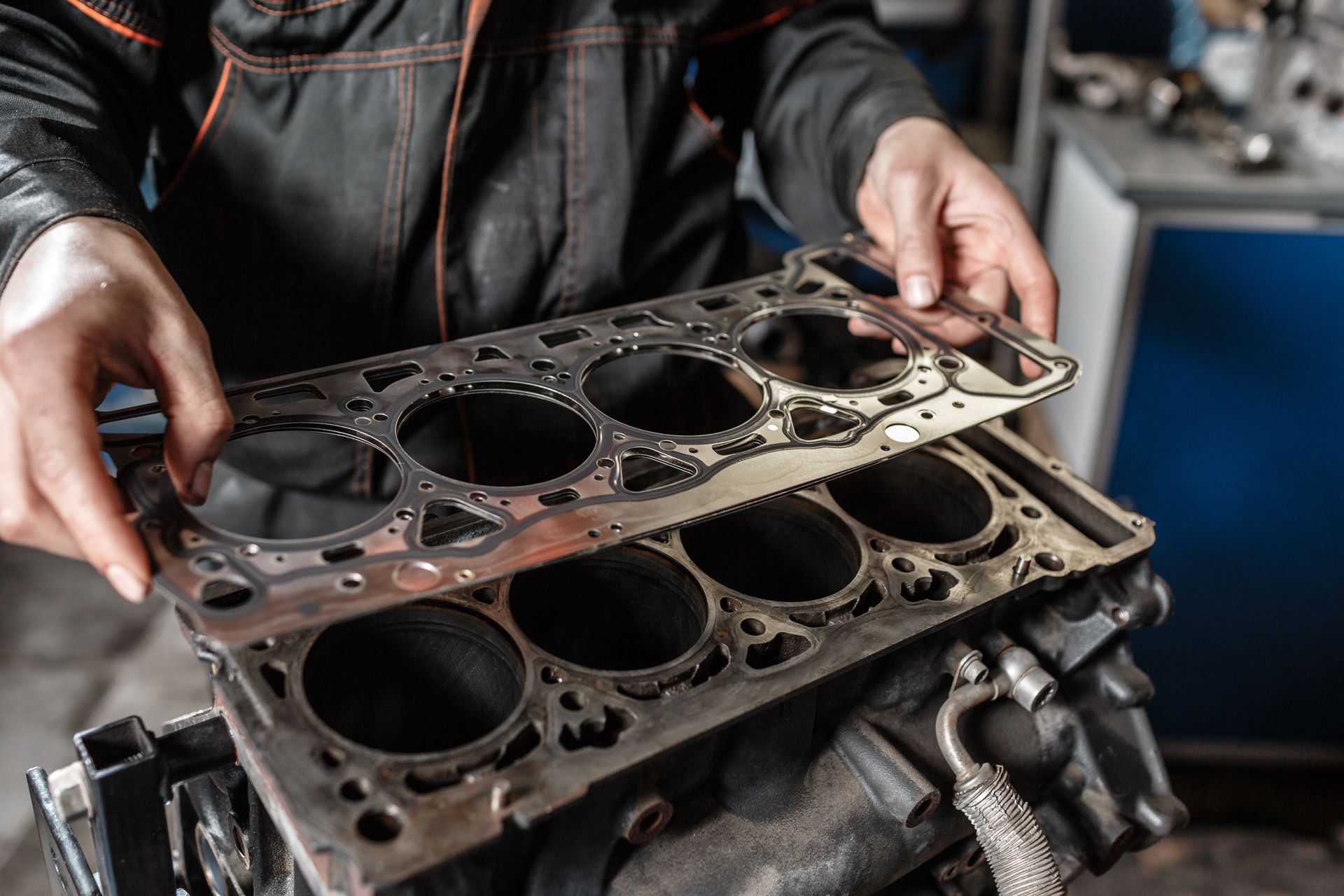
If you cannot find an external leak, coolant may be going somewhere it should not. Internal loss can happen through a head gasket issue, an intake gasket on certain engines, or a small crack in a component.
Watch for repeated coolant loss with no drips, a sweet smell from the exhaust after the engine is warm, or heat that fades at idle and returns when driving. Also pay attention to frequent bubbling in the reservoir or temperature that rises quickly on hills. If you see milky residue under the oil cap or the oil level climbs, stop driving and get it inspected.
Why Topping Off Over And Over Can Backfire
Adding coolant keeps you moving, but it can hide the real issue. A slow seep can suddenly turn into a leak after one more heat cycle. If that happens on the highway or in traffic, the engine can overheat before you have much time to react.
Low coolant levels also increase the risk of air pockets. Air does not carry heat the way coolant does, so you can get hot spots even when the temperature gauge still looks acceptable.
What To Do Next If You Notice The Reservoir Is Low
Check the level only when the engine is cold, and match it to the cold fill mark. Use the correct coolant type for your vehicle, since mixing types can reduce corrosion protection.
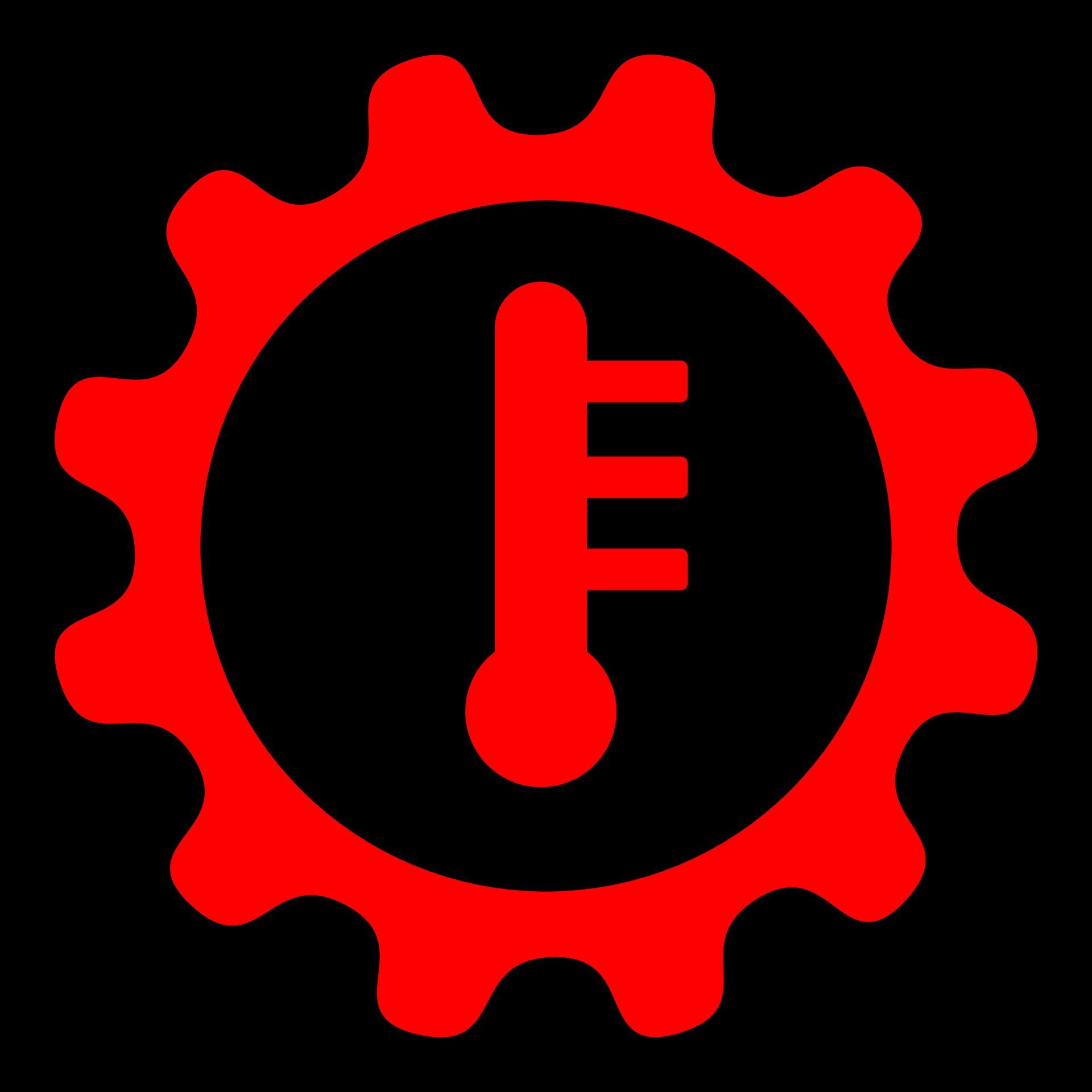
On your next drive, keep an eye on the dashboard temperature gauge. If it rises above normal, pull over safely and shut the engine off so it can cool. If you smell coolant or notice steam, do not keep driving. A pressure test is often the quickest next step when the source is not obvious, since it can reveal slow leaks and cap problems quickly.
Get Cooling System Service in Calgary, AB with Shawnee Station Automotive
We will inspect and pressure-test your cooling system and pinpoint why the reservoir level is dropping.
Call
Shawnee Station Automotive in Calgary, AB, to schedule cooling system service and get the issue handled correctly.