Most drivers keep the owner’s manual in the glove box and only touch it when a light comes on that they do not recognize. That little book, or the digital version on your phone, is actually one of the most useful “tools” your vehicle comes with.
It tells you how the car was designed to be used, what it needs to stay healthy, and where the limits really are, instead of guessing or relying on random advice.
Why Your Owner’s Manual Still Matters
Modern vehicles are packed with features, from driving aids to complex infotainment systems. The owner’s manual pulls all of that together in one place, written for your specific model. It explains what each button does, which warning lights are critical, and which ones are just informational.
It is also one of the few sources that is built around your exact year, trim, and equipment. Online forums and videos can be helpful, but they often mix information from different models. When you go straight to the manual, you are getting instructions that match what is actually under your hood and inside your dash.
What You Can Learn About Maintenance Schedules
The maintenance section of the manual is easy to skip, but it is where a lot of long-term reliability starts. You will usually find a chart that lists services by mileage and time. That chart lays out when the manufacturer expects you to replace fluids, filters, and wear items.
Instead of guessing when to change transmission fluid, spark plugs, or coolant, you can see exactly when they were planned for. If your driving falls into “severe service,” such as lots of short trips, towing, or heavy city traffic, the manual will often spell that out and show shorter intervals. We look at those pages whenever we build a maintenance plan, so your car gets what it needs, not just an oil change here and there.
Finding the Right Fluids, Specs, and Warning Lights
The manual is the best place to confirm what belongs in your vehicle. That includes:
- The correct oil viscosity and specification, not just “any synthetic”
- Approved coolant type and whether mixing is allowed
- Proper tire pressures and load ratings for your exact size
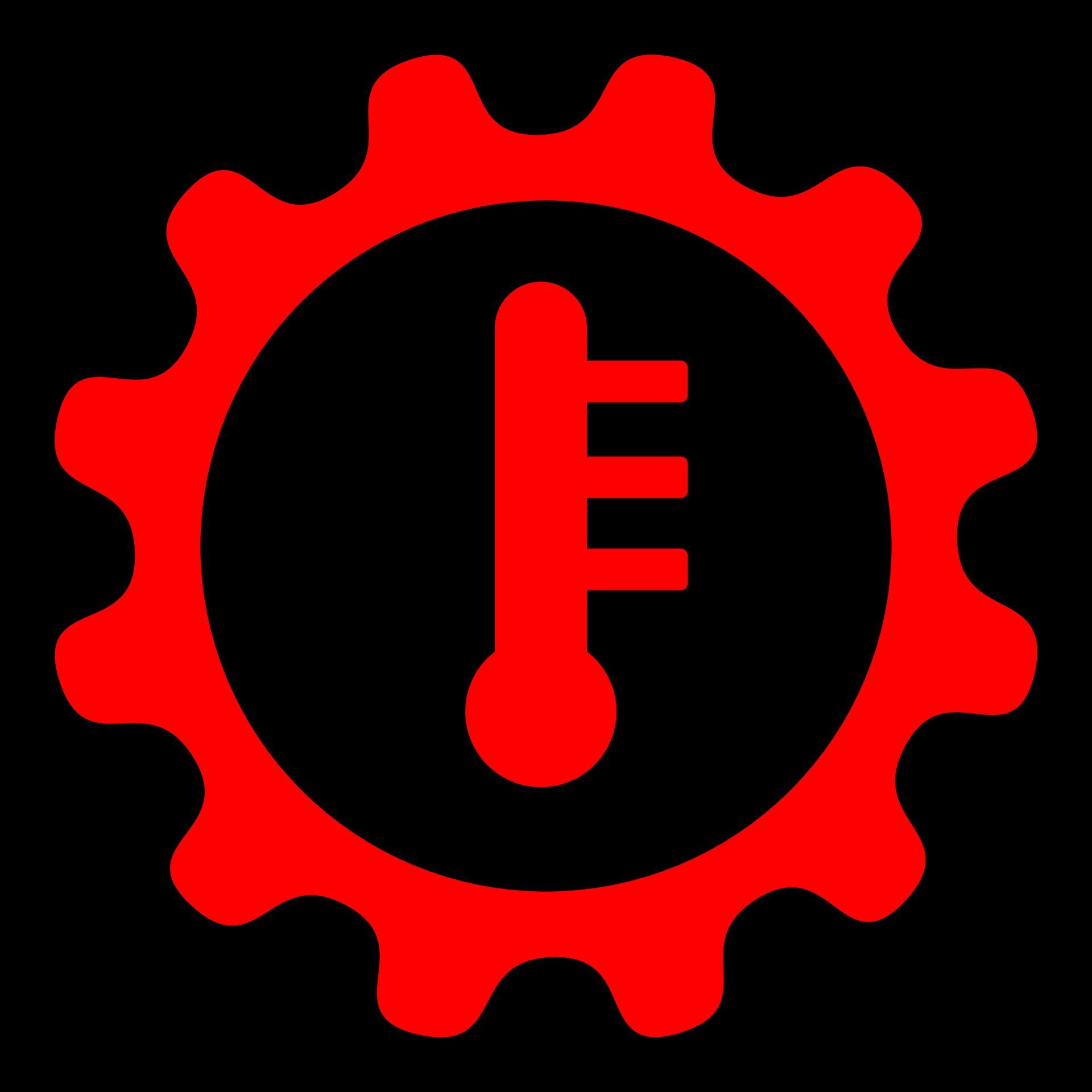
- Meanings of every warning light and what to do when they appear
Using the correct fluids and pressures keeps systems working the way they were designed. It also helps avoid problems that start with the wrong oil or coolant, such as noisy timing components or cooling system corrosion. When a warning light comes on, the manual can tell you whether you need to pull over now or simply schedule a check soon.
Owner Mistakes That Happen Without the Manual
A lot of common problems start with well meaning guesses. Without checking the manual, drivers sometimes:
- Top off with the wrong coolant or mix several types and brands
- Use engine oil that is too thick or too thin for the design
- Overload the vehicle because they never looked at the cargo and towing limits
- Ignore maintenance items that are time-based, like brake fluid or filters, since the car “still feels fine”
We have seen engines develop problems because they ran the wrong oil grade for years, and cooling systems fail early from repeated mixing of incompatible coolants. A quick look at the specifications section of the manual would have prevented many of those issues.
How the Manual Saves Money on Repairs
The owner’s manual will not turn you into a technician, but it can help you avoid paying for things twice. When you know which services are actually due, you can budget for them and avoid surprise breakdowns that cost more. You can also spot upsells that clearly do not apply to your vehicle, because you know what the manufacturer originally recommended.
From our side of the counter, an informed driver is easier to help. Come in knowing that a certain service is due by mileage, or that a specific warning message has a particular meaning in the manual. We can focus right away on whether the car matches those expectations. That usually leads to clearer conversations and more targeted repairs.
Making the Manual Easier to Use Day to Day
Many manuals feel thick and a little overwhelming, so it helps to treat them as a reference, not a book you read front to back. A few simple habits make them more useful:
Keep the manual, any supplements, and the radio or key code cards together in the glove box so they are easy to grab. Use sticky notes or a pen to mark pages you visit often, such as tire pressure, maintenance charts, and light descriptions. If your vehicle has a digital or online manual, saving the link or app on your phone means you can pull it up in a parking lot without digging through paper.
It can also help to spend ten minutes at home just flipping through the main sections. Even if you do not memorize anything, you will get a feel for where topics live, which makes it easier to find what you need the next time a light or message pops up.
Get Help Using Your Owner’s Manual in Calgary, AB with Shawnee Station Automotive
If your owner’s manual feels confusing, or you are not sure how its maintenance schedule fits your driving, we can walk through it with you. We are happy to match the recommendations to the real world and suggest a plan that makes sense for your vehicle.
Schedule a visit with
Shawnee Station Automotive in Calgary, AB, and we will help you turn that manual into a useful tool instead of just glove box clutter.