What Happens When Your Vehicle’s Sensors Misfire?

July 25, 2025

Modern vehicles are equipped with a network of sensors that constantly monitor various aspects, including engine performance and safety systems. These sensors provide essential data to your vehicle’s computer, allowing it to make real-time adjustments that keep your car running smoothly and safely. But what happens when one of these sensors misfires or fails? While the problem may start small, it can quickly escalate into major issues if not addressed promptly.


The Role of Vehicle Sensors


Your car relies on dozens of sensors working together. Some of the most important include:


  • Oxygen sensors that measure exhaust gases to help control fuel mixture.
  • Mass airflow sensors that track the amount of air entering the engine.
  • Throttle position sensors that tell the engine control module (ECM) how much power you’re asking for.
  • Wheel speed sensors that inform anti-lock brakes and traction control systems.
  • Coolant temperature sensors that help regulate engine temperature and fuel delivery.


When these sensors are functioning properly, your vehicle operates efficiently and its emissions remain within legal limits. A misfire in one or more sensors disrupts this balance and can create a cascade of problems.


Common Signs of Sensor Issues


When a sensor misfires or fails, you might notice several symptoms:


  • Reduced fuel efficiency: The engine may run too rich or too lean, wasting fuel.
  • Check engine light: A failing sensor often triggers this warning.
  • Rough idling or stalling: Incorrect data can cause the engine to misfire or hesitate.
  • Poor acceleration: The vehicle might feel sluggish or unresponsive.
  • Increased emissions: Bad sensor data can lead to higher pollutant output.


Ignoring these signs allows problems to escalate, potentially causing damage to other systems and components.


The Impact on Engine Performance


An engine relies on precise air and fuel ratios to operate efficiently. When a sensor like the mass airflow or oxygen sensor sends incorrect data, the ECM adjusts fuel delivery improperly. This can result in engine misfires, knocking, or excessive fuel consumption.


In severe cases, continued driving with bad sensor data can damage the catalytic converter, a costly repair that could have been avoided.


Safety System Malfunctions


Sensors don’t just manage engine performance, but are also crucial for your car’s safety features. For example, wheel speed sensors help your ABS and traction control systems respond properly during slippery conditions.


If these sensors fail or send incorrect data, safety systems may not engage when needed, putting you at greater risk of losing control.


Electrical System Strain


When sensors misfire, your car’s computer works overtime to try to compensate. This can put additional strain on the battery and alternator, potentially leading to electrical system failures and further drivability issues.


Diagnosing Sensor Problems


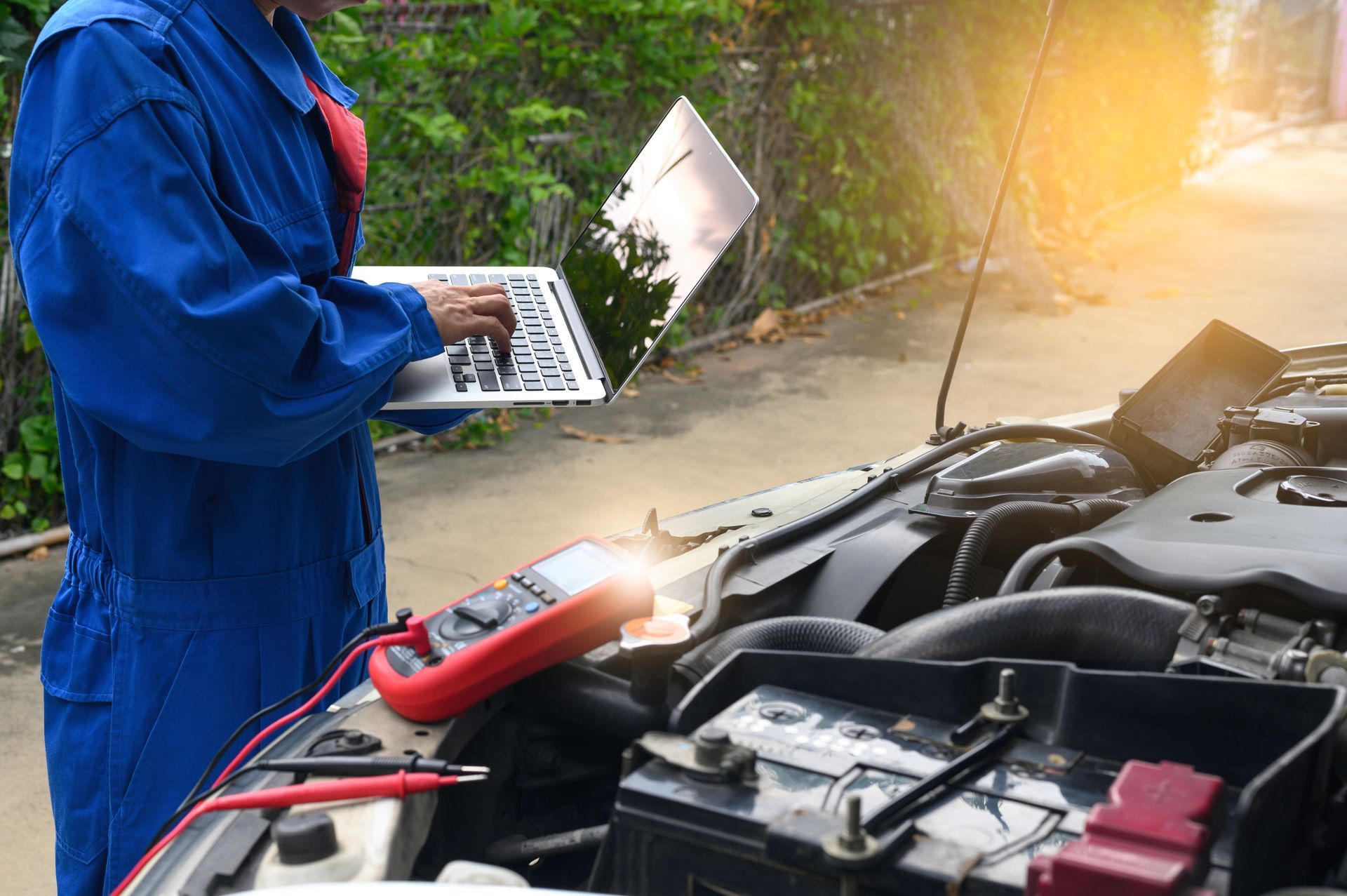
Unlike traditional mechanical failures, sensor problems often require specialized diagnostic tools to pinpoint. At Shawnee Station Automotive, we use advanced scanning equipment to read trouble codes from your vehicle’s computer.


These codes help us determine which sensor is faulty and whether the problem lies with the sensor itself, the wiring, or the related systems. Thorough testing ensures we fix the root cause rather than just the symptom.


Why Prompt Repair Matters


Driving with faulty sensors not only risks further damage but can also reduce your vehicle’s reliability and efficiency. It can lead to higher repair bills down the road and even cause your vehicle to fail emissions tests.


Addressing sensor issues promptly keeps your car running smoothly, saves money on fuel, and protects critical components from unnecessary wear.


Get Expert Sensor Diagnostics at Shawnee Station Automotive in Calgary, AB


At Shawnee Station Automotive in Calgary, AB, we understand the importance of every sensor in your vehicle. Our experienced technicians are trained to accurately diagnose and repair sensor-related problems, ensuring your car performs as it should and stays safe on the road. Whether your check engine light is on or you’re experiencing drivability issues, we’re here to help.


Schedule an appointment today and let us get your car back to its best.
How Can I Protect My Dashboard From Cracking | Shawnee Station Automotive Calgary, AB
April 30, 2026
Learn how to protect your dashboard from cracking with simple tips that reduce sun damage, heat, dryness, and long-term interior wear to keep your car looking its best.
April 3, 2026
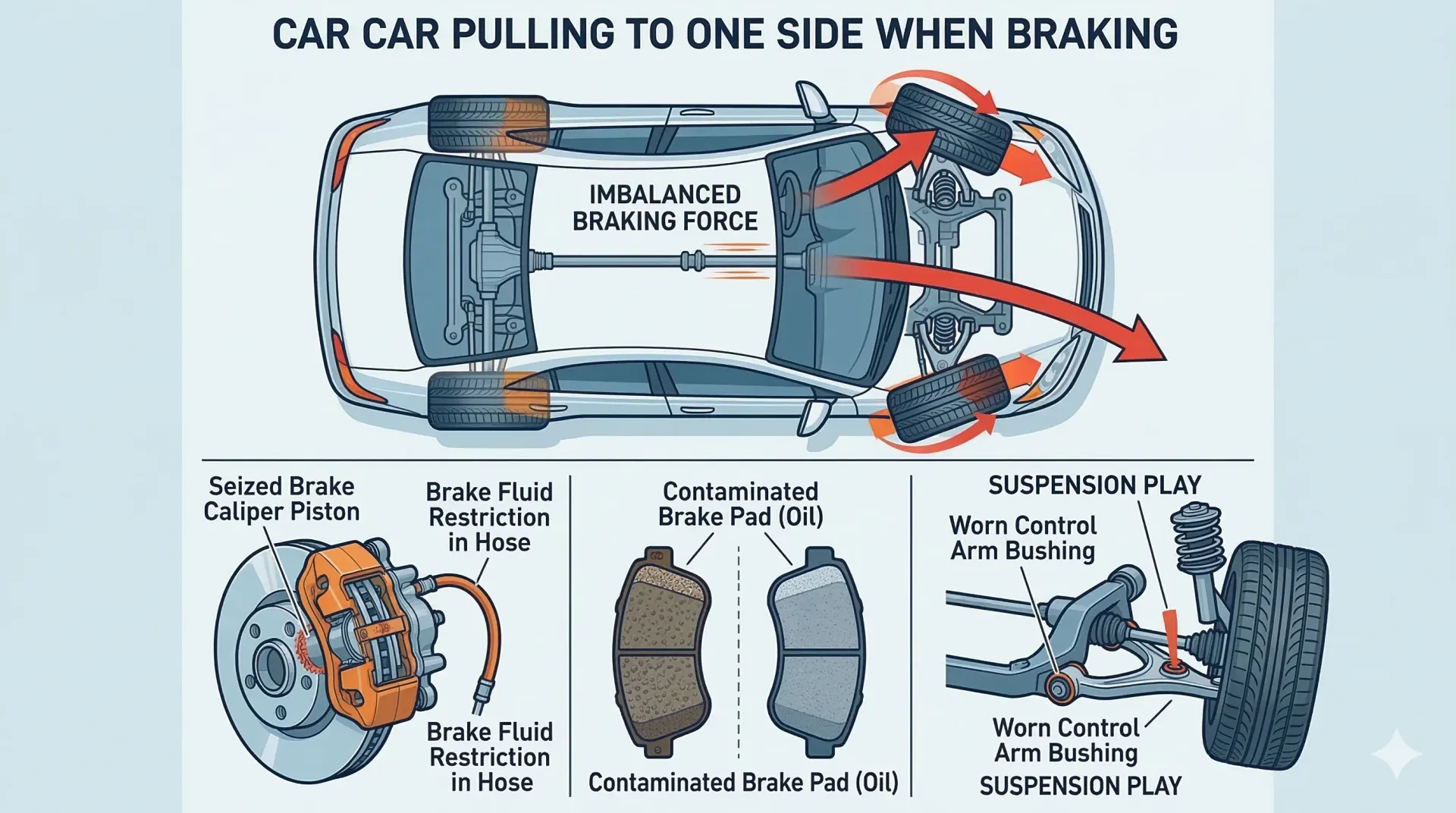
When a vehicle is functioning correctly, it should maintain a straight path during deceleration. If the steering wheel tugs to one side or the vehicle drifts toward the shoulder when you press the brake pedal, it is a clear indication of an imbalance in the braking or suspension system. This phenomenon is not merely an annoyance; it is a sign that one side of the vehicle is providing more stopping force than the other, or that the mechanical geometry of the car is compromised. The Primary Culprits of Brake Pulling Understanding why this occurs requires a look at how hydraulic and mechanical forces work together to stop a vehicle weighing several thousand pounds. 1. A Seized or "Stuck" Brake Caliper The brake caliper is the component that houses the brake pads and uses hydraulic pressure to squeeze them against the rotor. Inside the caliper is a piston. Over time, road grime, rust, or heat can cause this piston to seize. If the left caliper is seized: It may not apply pressure at all, causing the right side to do all the work. Consequently, the car pulls to the right. If the caliper is stuck "on": It might stay partially applied even when you are not braking, leading to extreme heat and a pull toward that side during operation. 2. A Collapsed Internal Brake Hose While the exterior of a brake hose might look fine, the internal lining can collapse. This creates a "one-way valve" effect. Brake fluid is forced into the caliper under high pressure when you step on the pedal, but it cannot return easily. This causes the brake on that side to stay applied longer than the other, resulting in a distinct pull. 3. Contaminated Brake Pads Brake pads require a specific coefficient of friction to work. If oil, grease, or leaking brake fluid gets onto the surface of the pads on one side of the car, those pads will lose their "bite." When you brake, the "clean" side will grab effectively while the "contaminated" side slides, pulling the car toward the side that is still working correctly. Comparing Causes of Pulling: At a Glance The following table outlines the most common reasons for a vehicle pulling during braking and how a technician identifies the root cause.
What Can A Computer Diagnostic Find About My Car? | Shawnee Station Automotive
March 27, 2026
Shawnee Station Automotive in Calgary, AB, explains what a computer diagnostic can reveal about your car beyond warning lights.
5 Most Common Reasons Your Car Fails An Emissions Test | Shawnee Station Automotive
February 27, 2026
Shawnee Station Automotive in Calgary, AB, explains five common reasons cars fail emissions tests and how to prepare for a retest.
What Does Low Coolant in the Reservoir Usually Mean? | Shawnee Station Automotive
January 30, 2026
Shawnee Station Automotive in Calgary, AB, explains what low coolant in the reservoir usually means and which cooling system leaks are most common.
Top Reasons Why You Should Use Your Vehicle's Owner's Manual | Shawnee Station Automotive
December 19, 2025
Shawnee Station Automotive in Calgary, AB, explains why using your vehicle’s owner’s manual can prevent mistakes and improve day-to-day car care.
How Does Uneven Tire Wear Hint at a Hidden Wheel Alignment Problem | Shawnee Station Automotive
November 28, 2025
Shawnee Station Automotive in Calgary, AB, discusses how uneven tire wear can point to hidden alignment issues you might not see at first glance.
5 Reasons to Use a Block Heater in the Cold Alberta Weather | Shawnee Station Automotive
October 31, 2025
Shawnee Station Automotive in Calgary, AB, shares five practical benefits of using a block heater to protect your engine in freezing weather.
Is Your Car’s Suspension Ready for Rough, Icy Roads in Alberta? | Shawnee Station Automotive
September 26, 2025
Shawnee Station Automotive in Calgary, AB, explains how to prepare your suspension for icy Alberta winter driving.
Top 5 Back-to-School Car Maintenance Tips | Shawnee Station Automotive
August 29, 2025
Shawnee Station Automotive in Calgary, AB, shares top back-to-school car maintenance tips to keep your vehicle safe and reliable.