Emissions testing is basically a pass or fail check on how cleanly your engine is running and whether the emissions system is doing its job. Most failures come down to a handful of repeat issues that the vehicle’s computer can detect long before you ever pull into a test lane.
The good news is that many of these problems are fixable without turning the car into a long project.
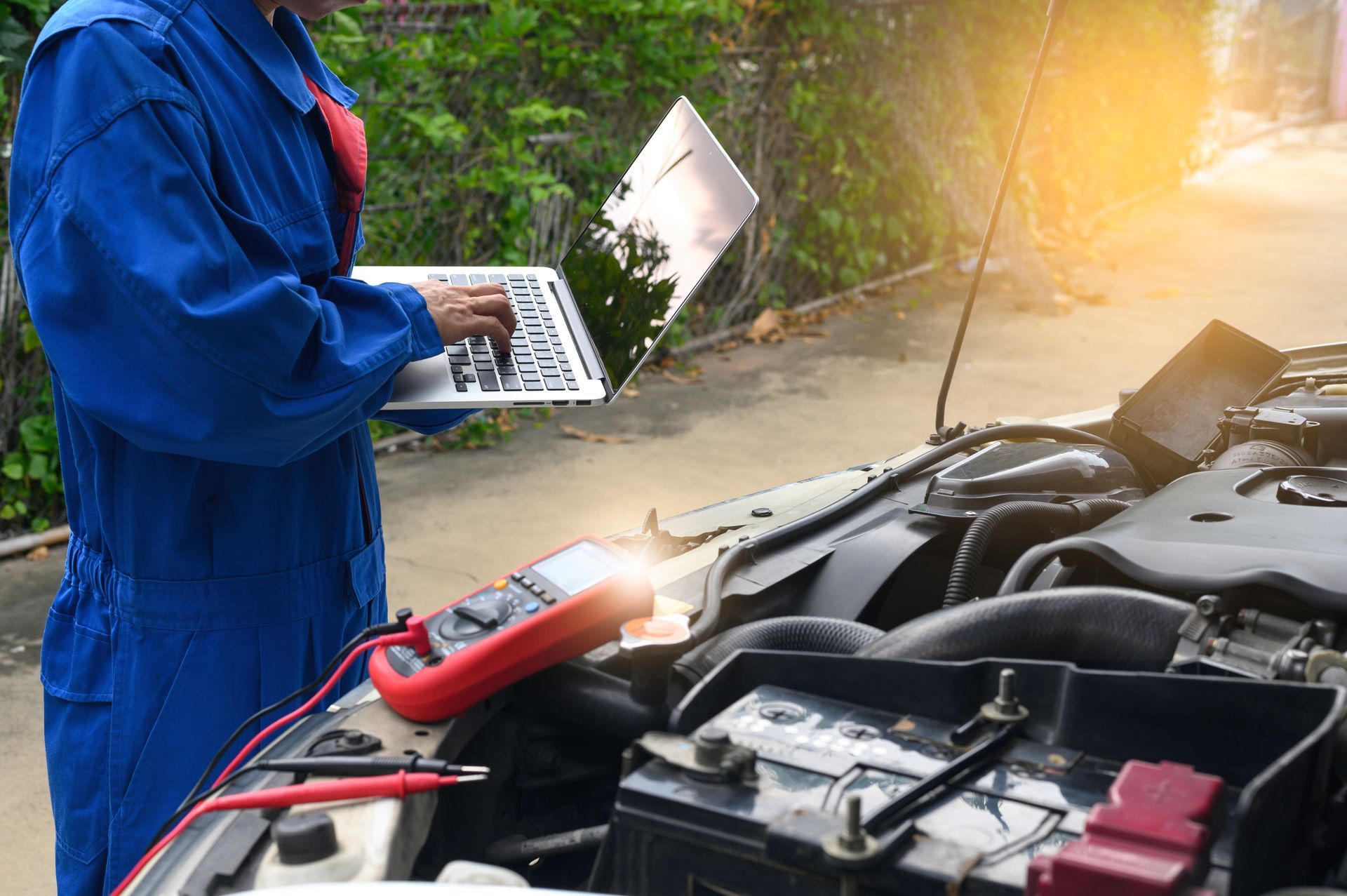
Check Engine Light And Stored Trouble Codes
If the check engine light is on, an emissions failure is extremely likely. Even if the car drives fine, the computer has already logged a fault that affects emissions control, and most testing programs won’t pass a vehicle with an active emissions-related code. The light is not there to annoy you, it’s the system telling you something is out of range.
What trips people up is ignoring the light because nothing feels wrong. We regularly see cars that run well but still fail because the computer recorded a leak, a sensor fault, or a catalyst efficiency issue that is invisible from the driver’s seat.
Readiness Monitors Not Set After A Reset
A very common fail is readiness monitors not being ready. This happens after a battery disconnect, a code clear, or sometimes after repairs. The car needs specific drive conditions to run its self-tests, and until those tests complete, the system reports are not ready.
Clearing codes right before testing is a classic mistake because it wipes the data the test station is looking for. The better approach is to fix the cause, then drive normally long enough for the monitors to complete. If you’re unsure where you stand, a quick inspection can confirm which monitors are incomplete and what drive pattern usually completes them.
EVAP System Leaks From Cap, Hoses, Or Valves
The EVAP system captures fuel vapors and keeps them from venting into the air. When it detects a leak, the computer sets a code and that often leads to a failed test. A loose gas cap is the simple version, but cracked vapor hoses, a leaking purge valve, or a failing vent valve are just as common, especially as vehicles age.
EVAP faults can be annoying because they can come and go depending on temperature and fuel level. If you notice the light comes on after filling up, or only appears every few weeks, that pattern fits EVAP issues well. Once the leak is found and repaired, the fix is usually straightforward.
Oxygen Sensors Or Air-Fuel Control Problems
Oxygen sensors and air-fuel sensors help the engine keep the mixture in the correct range. When one drifts out of spec or the signal becomes unreliable, the computer adjusts fuel trims to compensate. That can increase emissions even if the engine still feels normal most of the time.
Sensor codes are not always a simple replace-the-sensor situation. Exhaust leaks upstream, intake leaks, and fuel delivery issues can all make the sensors report numbers that look wrong. Good regular maintenance helps here because clean air filtration, timely spark plug service, and fixing small leaks early keep mixture control stable and prevent repeat failures.
Catalytic Converter Efficiency Issues
Catalytic converters reduce emissions after combustion, and they work best when the engine is running correctly. A failing converter can cause a test failure, but it’s also common for the converter to be the victim of another problem. Misfires, burning oil, rich running, or coolant contamination can overload the converter and shorten its life.
This is why you want the cause confirmed before replacing expensive parts. If the engine has been running with a misfire or a mixture problem, the converter can be damaged as a result. Fixing the upstream issue first prevents a repeat failure and keeps the repair from turning into a cycle.
Get Emissions Test Help In Calgary, AB With Shawnee Station Automotive
If you failed an emissions test, the next step is identifying whether it’s a readiness issue, an EVAP leak, a sensor problem, or catalyst efficiency, then fixing the actual trigger instead of clearing it and hoping for the best. Schedule service or stop by Shawnee Station Automotive in Calgary, AB, and we’ll map out the most direct path to a clean pass.
You’ll know exactly what kept it from passing and what it takes to get it through.