A computer scan can feel like a magic shortcut. Plug it in, read a code, and suddenly you know what to fix. In real life, it can be incredibly helpful, but only when you understand what it can confirm and what still needs a hands-on check.
Here is what a proper scan can reveal, and where it stops.
What A Computer Diagnostic Actually Does
A modern vehicle is full of modules watching sensors, pressures, temperatures, and electrical signals. When something falls outside the expected range, the system stores a code and often turns on a warning light. A computer diagnostic pulls that stored information and shows what the vehicle noticed, not what you should buy first.
It also helps us see patterns. If a fault happens only at certain speeds, temperatures, or loads, the stored snapshot can point us toward the most likely cause.
Warning Lights Vs Stored Codes
A steady warning light usually means the system saw a fault that repeated enough to be confident. Stored codes may remain even if no light is on, because the vehicle can log intermittent or not-severe-enough issues that haven't yet triggered a warning. That is why a scan can be useful even when the car feels fine.
The flip side is important too. Clearing codes does not repair anything, as it only wipes the record. If the issue is still present, the code typically returns once the vehicle reruns its self-check.
Live Data That Tells The Real Story
Live data is where scans become more than a list of code numbers. We can monitor sensor readings in real time and verify that they behave logically. A sensor might not be dead, but it may respond slowly or drift, and that can create drivability annoyances without obvious failure.
Live data also helps confirm whether a problem is happening right now or only happened once. That distinction matters because it changes the repair plan from replacing parts to verifying conditions, connections, and system behavior first.
System Tests And Module Clues
Many scan tools can run functional tests and pull system status information. That means we can command certain components on and off, check readiness monitors, and see what a module is requesting versus what it is receiving. This is especially helpful on issues that come and go, like cooling fan behavior or intermittent electrical faults.
Here are examples of what a scan can help point to:
- Misfire counts by cylinder and when they occur
- EVAP system faults that show up after fueling
- Charging system voltage readings and load behavior
- Cooling fan commands and temperature inputs
- Communication faults between modules that share data
This kind of information is why regular maintenance visits that include a scan can catch small trends before they turn into bigger repairs.
What A Computer Diagnostic Cannot Tell You
A scan does not automatically tell you which part to replace. A code often points to a system, not the exact failed component. For example, a lean code can be caused by an air leak, a fuel delivery issue, a sensor reading, or even an exhaust leak upstream in certain cases.
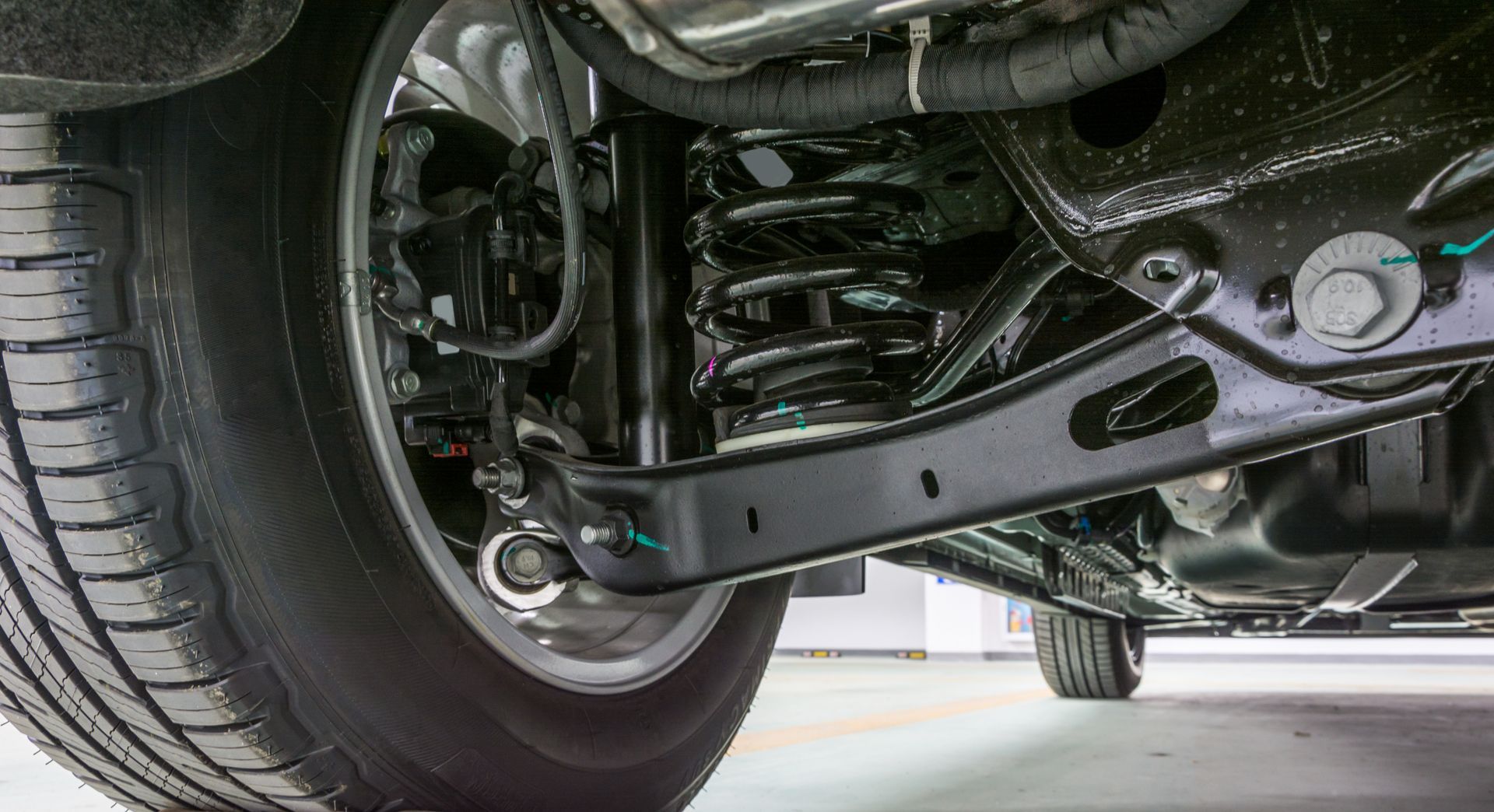
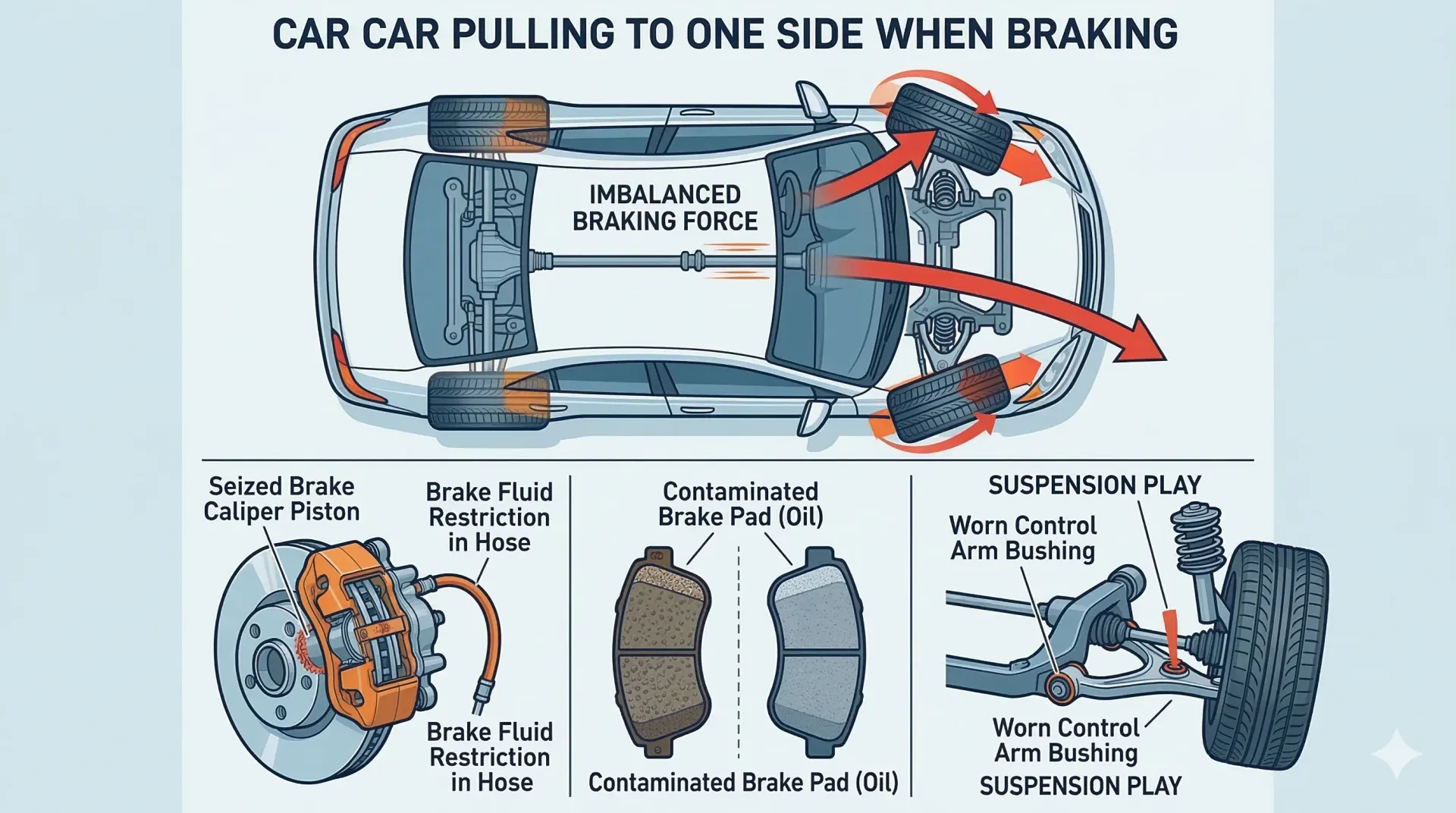
A scan also cannot see physical problems like worn suspension bushings, a loose heat shield, or fluid leaks unless they trigger a sensor fault. That is why a scan is most powerful when it is paired with real-world checks, not used as a shortcut around them.
When A Diagnostic Makes The Most Sense
If a warning light is on, a scan is usually the fastest way to stop guessing. It is also smart when you have a repeating symptom with no light, like stalling, rough idle, or poor fuel economy that comes and goes. Scans are also useful after repairs, because they confirm whether the system is behaving normally again and whether monitors are ready.
A quick inspection alongside a scan is often the best combination. That is how you catch simple stuff like loose connections, cracked hoses, or low fluid levels that created the fault in the first place.
Get Computer Diagnostic In Calgary, AB, With Shawnee Station Automotive
If you want clear answers instead of a random code list, Shawnee Station Automotive in Calgary, AB, can scan your vehicle, interpret what the data actually means, and connect it to what we see under the hood.
Book a visit and leave with a plan that makes sense.