How to Prevent Vehicle Collisions with Wildlife

July 25, 2024

Have you ever been driving along a serene countryside road, only to have your heart skip a beat as a deer suddenly appears in your path? Wildlife collisions are a serious concern, causing significant damage to vehicles and posing severe risks to both humans and animals. Understanding how to prevent these collisions can save lives, reduce injuries, and help preserve our wildlife. Let's explore some practical strategies to help you avoid these dangerous encounters.


Understanding the Risk


Wildlife collisions are more common than many people realize. Deer are the most frequently involved animals, but other creatures like moose, elk, and smaller animals can also be involved in these accidents. Most collisions occur at dawn and dusk when animals are more active and visibility is reduced. High-risk areas include rural roads, forested areas, and places where wildlife signs are posted.


Stay Vigilant and Aware


The first step in preventing collisions is to stay alert and aware of your surroundings, especially in areas known for wildlife activity. Reduce distractions by keeping your focus on the road and avoiding activities such as texting or adjusting the radio. Use your peripheral vision to watch for movement along the sides of the road. If you see one animal, slow down and be cautious, as others may be nearby. Many animals travel in groups, so where there is one, there are often more.


Adjust Your Speed


Speed plays a crucial role in preventing wildlife collisions. Slowing down gives you more time to react if an animal suddenly appears in your path. This is particularly important during the peak activity times of dawn and dusk. Driving at a reduced speed can lessen the severity of a collision if it cannot be avoided. Be especially cautious in areas where wildlife signs are posted, as these indicate regions with high animal activity.


Use Your Headlights Wisely


Your vehicle's headlights are vital tools for spotting animals on the road, especially at night. Use your high beams whenever possible, as long as it does not blind oncoming traffic. High beams can illuminate animals' eyes, making them easier to spot from a distance. Slow down and flash your headlights if you see an animal on or near the road. This can sometimes encourage the animal to move away from the road. However, do not rely solely on this method, as animals can behave unpredictably.


Understand Animal Behavior


Having a basic understanding of animal behavior can significantly reduce your risk of collision. For instance, deer are known to be unpredictable and may dart out into the road without warning. Moose, on the other hand, are less likely to flee from headlights and can be harder to spot due to their height. When startled by headlights, smaller animals like raccoons or foxes may freeze in place. Recognizing these behaviors can help you anticipate their movements and take appropriate action.


What to Do If a Collision Is Unavoidable


Sometimes, despite your best efforts, a collision with wildlife may be unavoidable. In such cases, knowing how to react can minimize damage and prevent injuries. If an animal suddenly appears in your path, try to remain calm and avoid swerving, as this can lead to a loss of control and a more severe accident. Instead, brake firmly and stay in your lane. If a collision is imminent, it is better to hit the animal rather than risk a rollover or hitting another vehicle.


After the Collision


If you do hit an animal, pull over safely to the side of the road and turn on your hazard lights to warn other drivers. Call emergency services if necessary to check yourself and any passengers for injuries. Do not approach the animal, as it may be injured and could react aggressively. Contact local authorities to report the accident and follow their instructions. Document the scene and damage to your vehicle for insurance purposes.


Stay safe on the roads with regular maintenance from Shawnee Station Automotive. Book your appointment now and drive with confidence!
How Can I Protect My Dashboard From Cracking | Shawnee Station Automotive Calgary, AB
April 30, 2026
Learn how to protect your dashboard from cracking with simple tips that reduce sun damage, heat, dryness, and long-term interior wear to keep your car looking its best.
April 3, 2026
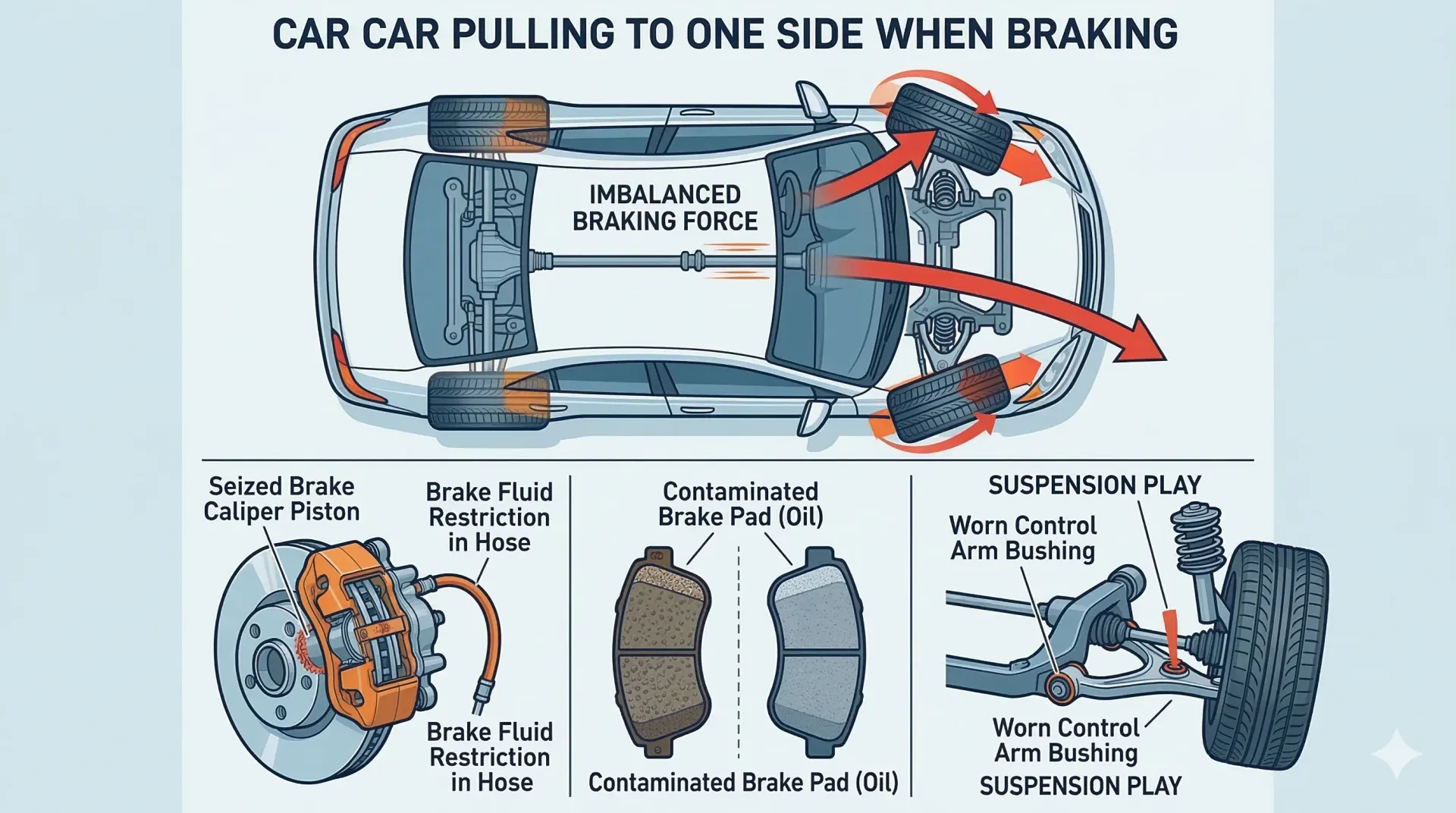
When a vehicle is functioning correctly, it should maintain a straight path during deceleration. If the steering wheel tugs to one side or the vehicle drifts toward the shoulder when you press the brake pedal, it is a clear indication of an imbalance in the braking or suspension system. This phenomenon is not merely an annoyance; it is a sign that one side of the vehicle is providing more stopping force than the other, or that the mechanical geometry of the car is compromised. The Primary Culprits of Brake Pulling Understanding why this occurs requires a look at how hydraulic and mechanical forces work together to stop a vehicle weighing several thousand pounds. 1. A Seized or "Stuck" Brake Caliper The brake caliper is the component that houses the brake pads and uses hydraulic pressure to squeeze them against the rotor. Inside the caliper is a piston. Over time, road grime, rust, or heat can cause this piston to seize. If the left caliper is seized: It may not apply pressure at all, causing the right side to do all the work. Consequently, the car pulls to the right. If the caliper is stuck "on": It might stay partially applied even when you are not braking, leading to extreme heat and a pull toward that side during operation. 2. A Collapsed Internal Brake Hose While the exterior of a brake hose might look fine, the internal lining can collapse. This creates a "one-way valve" effect. Brake fluid is forced into the caliper under high pressure when you step on the pedal, but it cannot return easily. This causes the brake on that side to stay applied longer than the other, resulting in a distinct pull. 3. Contaminated Brake Pads Brake pads require a specific coefficient of friction to work. If oil, grease, or leaking brake fluid gets onto the surface of the pads on one side of the car, those pads will lose their "bite." When you brake, the "clean" side will grab effectively while the "contaminated" side slides, pulling the car toward the side that is still working correctly. Comparing Causes of Pulling: At a Glance The following table outlines the most common reasons for a vehicle pulling during braking and how a technician identifies the root cause.
What Can A Computer Diagnostic Find About My Car? | Shawnee Station Automotive
March 27, 2026
Shawnee Station Automotive in Calgary, AB, explains what a computer diagnostic can reveal about your car beyond warning lights.
5 Most Common Reasons Your Car Fails An Emissions Test | Shawnee Station Automotive
February 27, 2026
Shawnee Station Automotive in Calgary, AB, explains five common reasons cars fail emissions tests and how to prepare for a retest.
What Does Low Coolant in the Reservoir Usually Mean? | Shawnee Station Automotive
January 30, 2026
Shawnee Station Automotive in Calgary, AB, explains what low coolant in the reservoir usually means and which cooling system leaks are most common.
Top Reasons Why You Should Use Your Vehicle's Owner's Manual | Shawnee Station Automotive
December 19, 2025
Shawnee Station Automotive in Calgary, AB, explains why using your vehicle’s owner’s manual can prevent mistakes and improve day-to-day car care.
How Does Uneven Tire Wear Hint at a Hidden Wheel Alignment Problem | Shawnee Station Automotive
November 28, 2025
Shawnee Station Automotive in Calgary, AB, discusses how uneven tire wear can point to hidden alignment issues you might not see at first glance.
5 Reasons to Use a Block Heater in the Cold Alberta Weather | Shawnee Station Automotive
October 31, 2025
Shawnee Station Automotive in Calgary, AB, shares five practical benefits of using a block heater to protect your engine in freezing weather.
Is Your Car’s Suspension Ready for Rough, Icy Roads in Alberta? | Shawnee Station Automotive
September 26, 2025
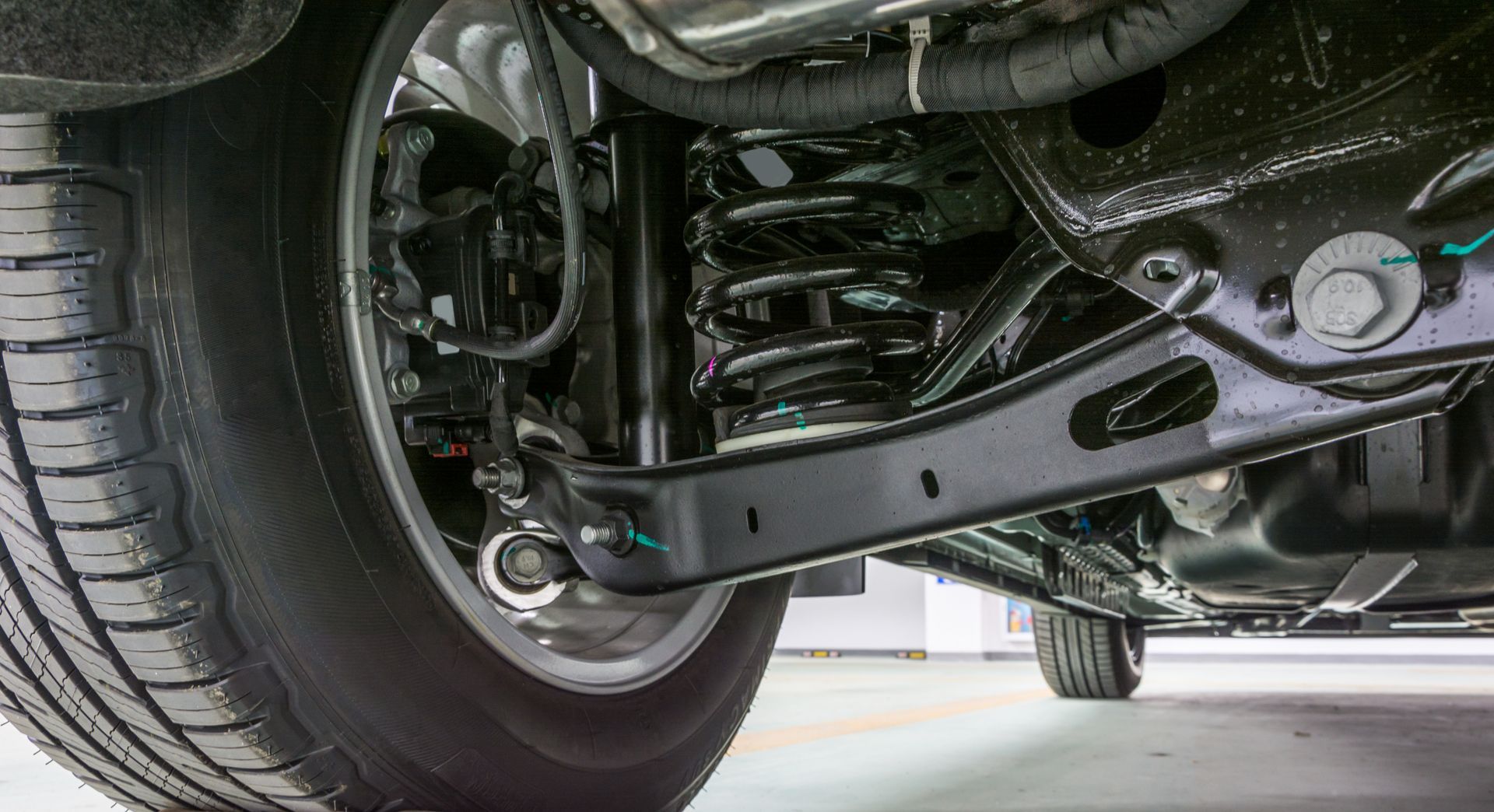
Shawnee Station Automotive in Calgary, AB, explains how to prepare your suspension for icy Alberta winter driving.
Top 5 Back-to-School Car Maintenance Tips | Shawnee Station Automotive
August 29, 2025
Shawnee Station Automotive in Calgary, AB, shares top back-to-school car maintenance tips to keep your vehicle safe and reliable.