Volvos tend to make drivers comfortable. They feel solid, quiet, and composed, even when something small is starting to wear underneath. That is helpful on the road, but it can also make maintenance easy to delay.
The car keeps behaving, so the problem gets ignored.
Many expensive Volvo repairs start as basic service items that slipped too far. Old oil, low coolant levels, worn suspension parts, weak batteries, and skipped fluid checks can all create bigger problems if left unchecked long enough.
1. Stretching Oil Changes Too Far
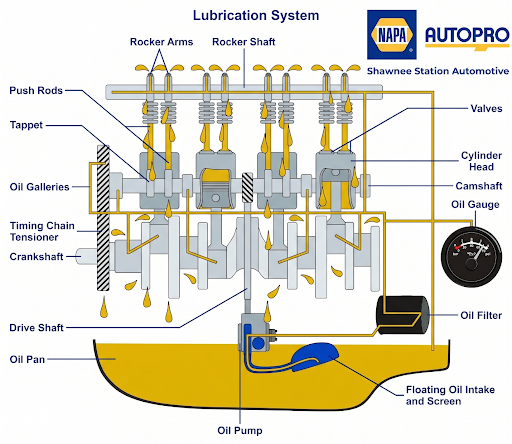
Volvo engines require clean oil that meets the specified requirements. That matters even more on turbocharged models, where oil helps protect parts that spin fast and run hot. If oil gets old, low, or dirty, the engine loses protection in places you cannot see.
Long oil change intervals can also allow sludge and deposits to build up. Variable valve timing components, turbo oil lines, seals, and internal passages do not like dirty oil. A car may still feel normal while the wear is starting.
We check more than the reminder sticker during oil service. Oil level, oil condition, leaks, and filter quality all tell us whether the engine is being protected well or starting to show signs of neglect.
2. Ignoring Small Coolant Loss
Coolant does not disappear for no reason. If the reservoir keeps dropping, there is a leak, pressure issue, or internal problem that needs to be found. Topping it off every few weeks is not a plan. It is a clue.
Volvo cooling systems can have leaks from hoses, expansion tanks, radiators, water pumps, thermostat housings, and plastic fittings. Some leaks never leave a puddle because coolant dries on hot engine parts. A sweet smell after parking or crusty residue near a hose connection can be the first sign.
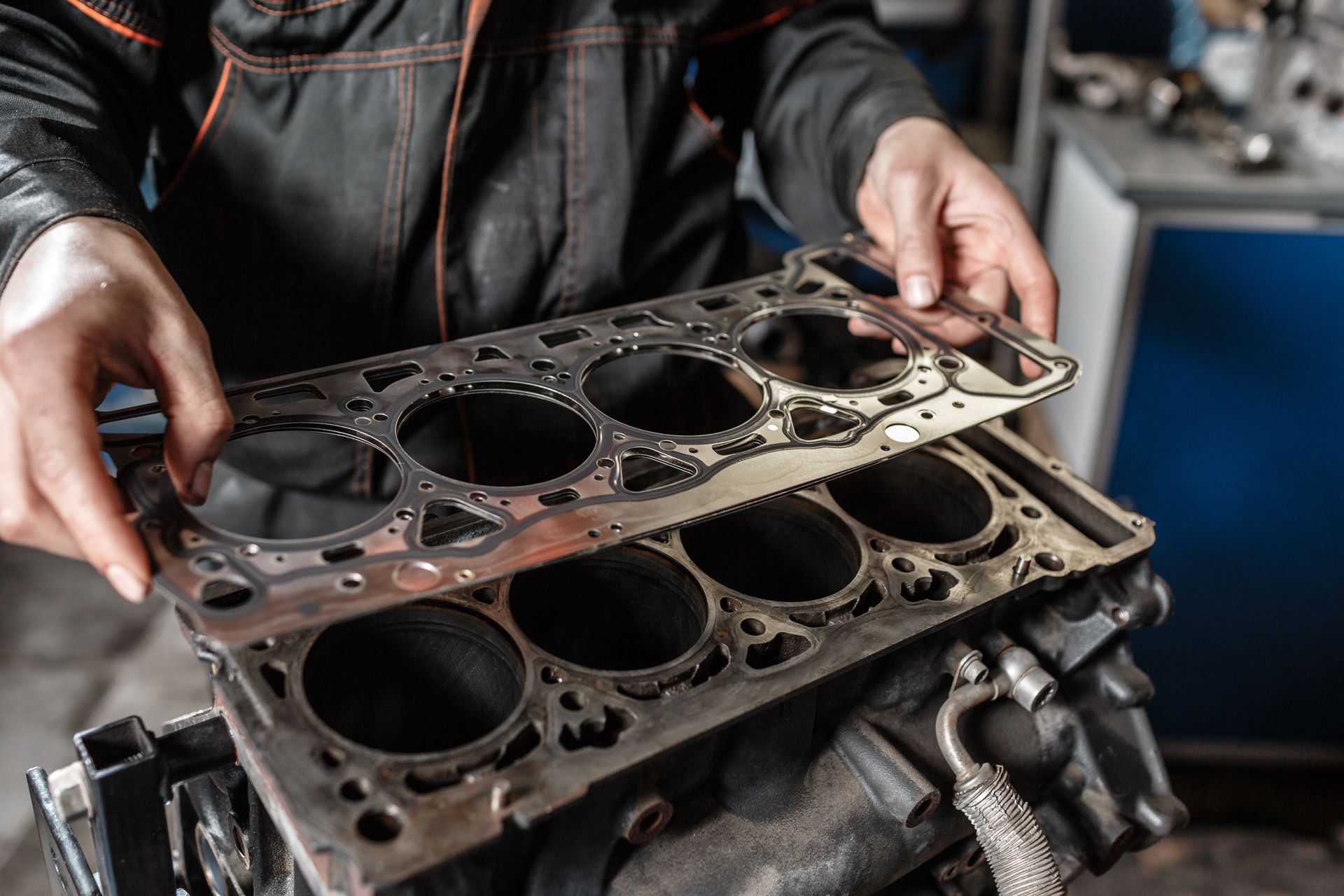
Overheating is where costs climb. Once the engine gets too hot, seals, gaskets, and metal surfaces can be damaged. A small cooling system inspection is much easier to deal with than a major overheating repair.
3. Waiting Too Long for Timing Belt Service
Not every Volvo uses a timing belt, but the ones that do need that service taken seriously. A timing belt keeps the engine’s internal movement synchronized. If it breaks or slips, the engine can stop instantly, and on interference engines, valves and pistons can collide.
That is not a small repair.
Timing belt service is based on mileage and time. A low-mileage vehicle can still have an aging belt, as rubber hardens and weakens over time. The belt may not make noise before it fails, which is why waiting for symptoms is risky.
A proper timing belt job often includes related parts such as tensioners, idlers, seals, and, depending on the model, the water pump. Replacing only the belt while worn parts remain nearby can lead to another failure later.
4. Letting Suspension Wear Become Tire Damage
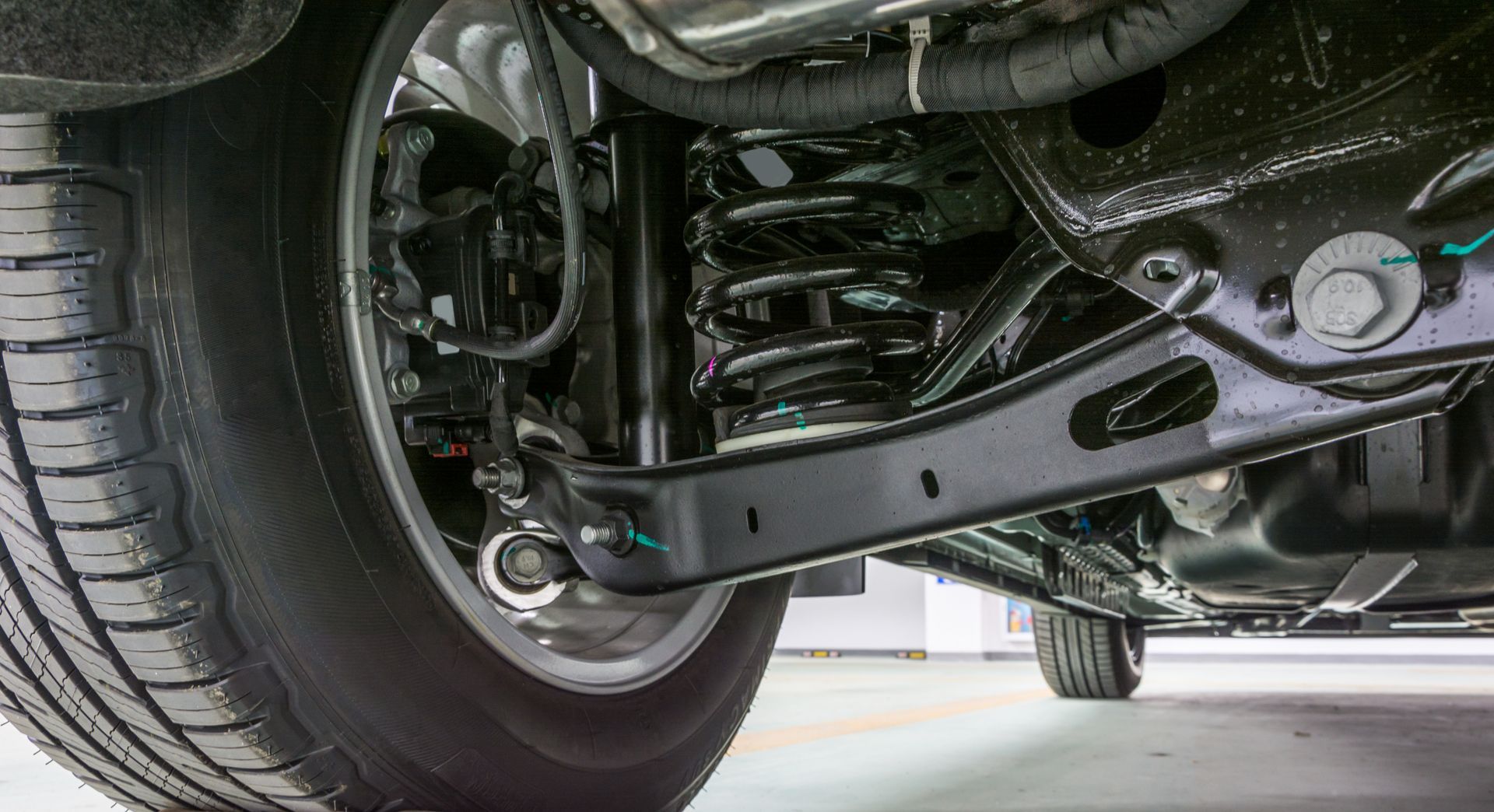
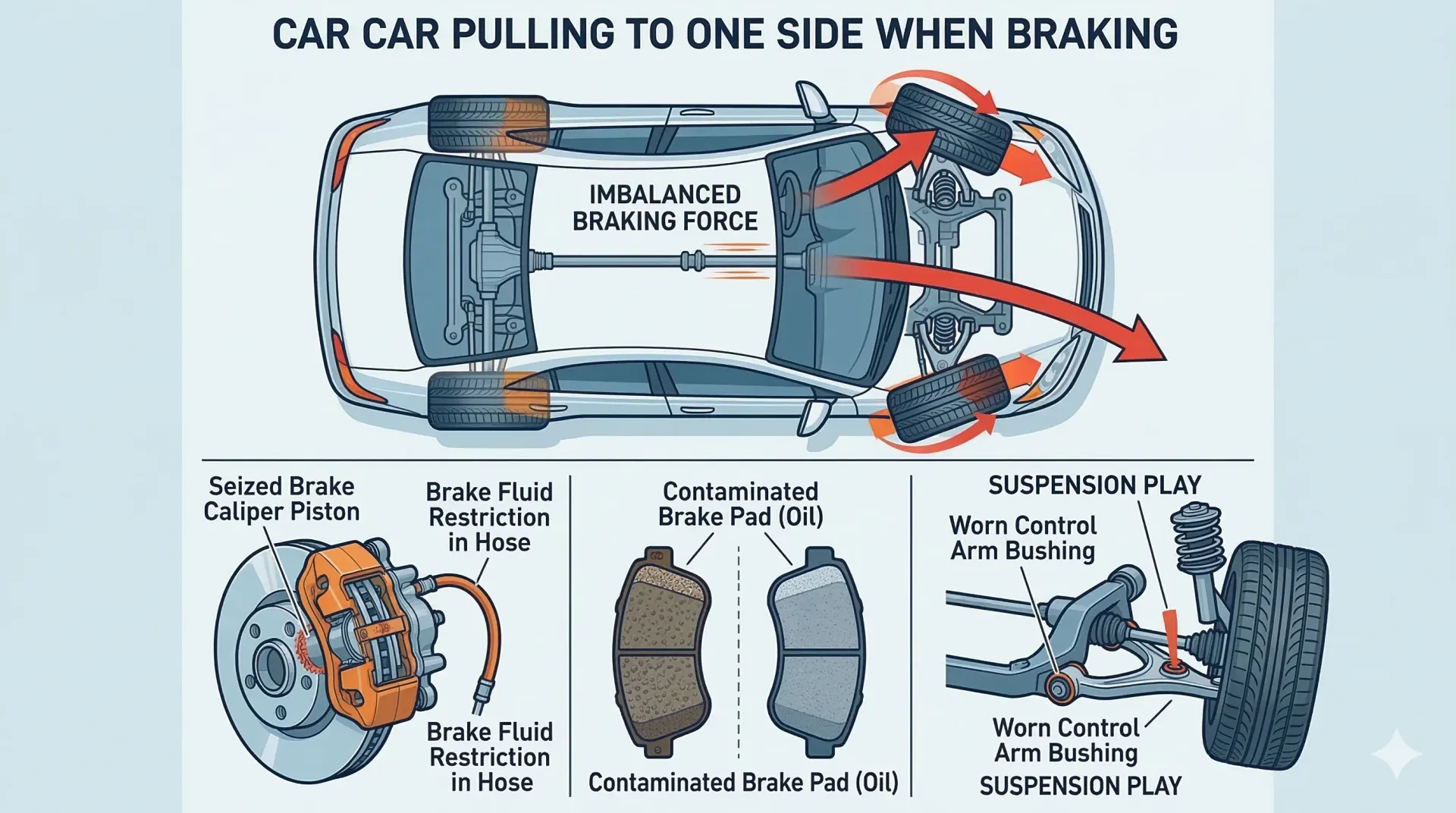
A Volvo should feel steady. When the suspension starts to wear, the change can be subtle at first. A small clunk over bumps, a little looseness in the steering, or uneven tire wear may be the first thing you notice.
Control arms, bushings, ball joints, struts, mounts, sway bar links, and wheel bearings all affect how the vehicle tracks. If those parts get loose, the tires can start wearing badly before the car feels unsafe. Inside-edge wear is a common clue that should not be ignored.
Regular maintenance should include looking at tire wear patterns and suspension movement. A worn bushing or strut caught early can save a good set of tires and keep the car feeling like a Volvo should.
5. Overlooking Battery And Electrical Problems
Volvos rely on stable voltage. A weak battery can create strange symptoms that seem unrelated at first. You might see warning messages, slow starts, flickering lights, comfort feature issues, or electronic systems that act differently after the car sits overnight.
The battery may still start the car, but that does not mean it is healthy. Cold weather, short trips, age, and charging system issues can all expose a weak battery. Corroded terminals or poor grounds can make the problem even harder to track.
One of our technicians can test the battery, alternator output, cables, and grounds before a small starting complaint turns into a no-start. Guessing at electronics gets expensive fast, so clean testing matters.
Why Volvo Maintenance Should Stay On Schedule
Skipping maintenance rarely causes one clean problem. It usually creates a chain. Old oil stresses engine parts. Low coolant risks overheating. Worn suspension ruins tires. A weak battery causes electrical confusion. A timing belt that goes too long can damage the engine in seconds.
The better approach is to build a service baseline and keep it up to date. Know when the oil was changed, when the coolant was checked, when the timing belt is due, and whether the suspension or tires are showing early wear. That simple record can prevent many expensive surprises.
Get Volvo Maintenance In Calgary, AB, With Shawnee Station Automotive
If your Volvo is due for service, showing warning messages, losing coolant, wearing tires unevenly, or has an unclear maintenance history, Shawnee Station Automotive in Calgary, AB, can inspect it and help you plan the right next steps.
Schedule a visit and keep small maintenance mistakes from turning into costly Volvo repairs.