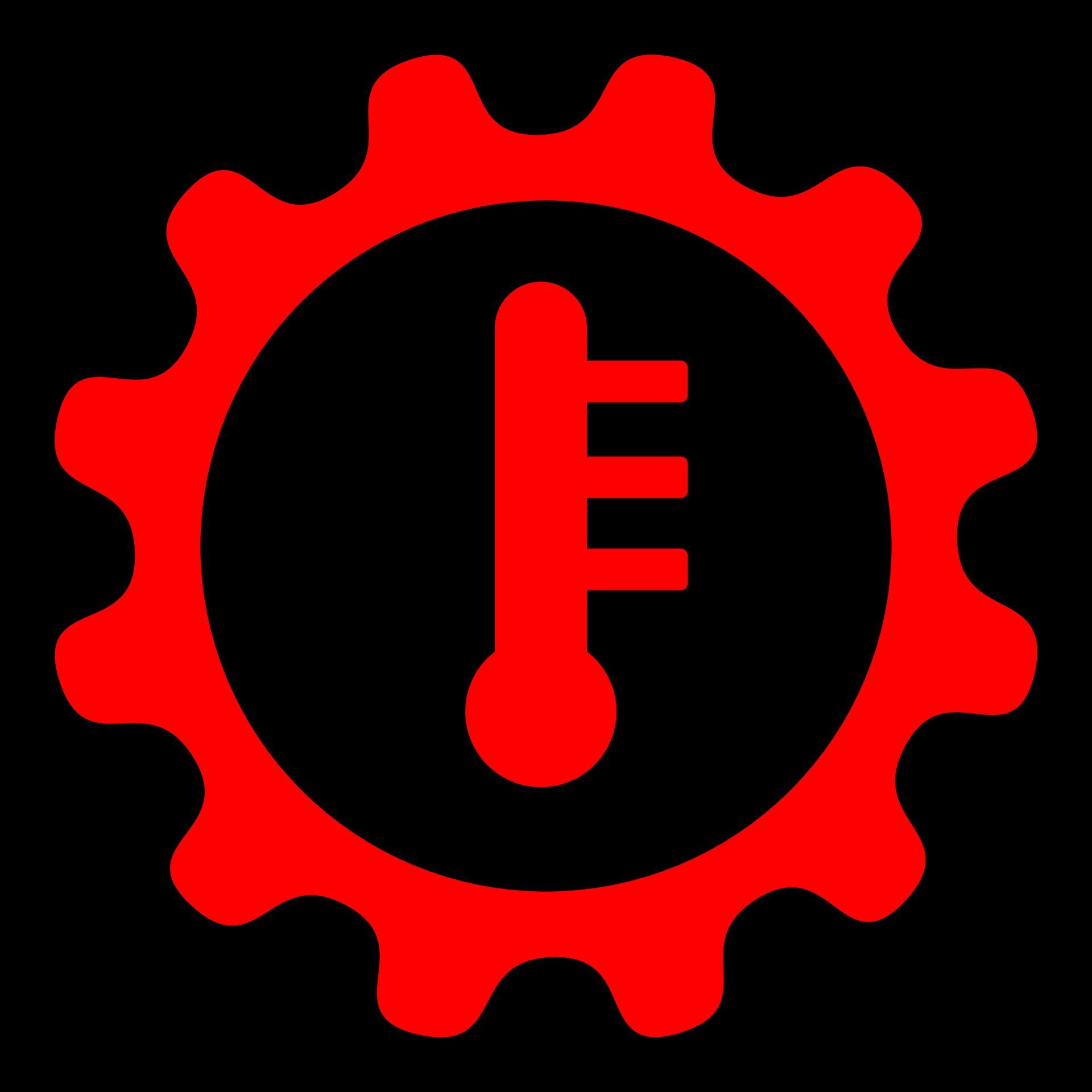
An overheating engine is stressful enough on its own. The temperature gauge climbs, steam may appear, and the driver has to decide quickly whether it is safe to keep moving. After the engine cools down, the next question is usually the bigger one: Did anything get damaged?
A blown head gasket is one of the repairs drivers worry about after overheating, and for good reason. The head gasket seals the area between the engine block and cylinder head. When extreme heat damages that seal, coolant, oil, and combustion pressure can end up where they do not belong. The signs can be obvious, but sometimes they are easy to miss at first.
Why Overheating Can Damage The Head Gasket
The engine block and cylinder head are built to handle heat, but they still have limits. When an engine overheats badly, metal parts can expand more than they should. The cylinder head can warp, the gasket can lose its seal, and pressure can start to move between the cooling, oil, and cylinder passages.
A quick rise in temperature does not always mean the head gasket is blown. A stuck thermostat, leaking hose, weak water pump, bad radiator cap, clogged radiator, or cooling fan issue can all cause overheating without gasket failure. Still, after a serious overheating event, the cooling system and engine should be checked before assuming everything survived.
White Exhaust Smoke After Overheating
Thick white exhaust smoke can be one sign that coolant is entering the combustion chamber. When coolant burns with the air-fuel mixture, it can produce a sweet-smelling white cloud from the tailpipe. A little vapor on a cold morning is normal, but heavy white smoke that continues after warm-up is not.
This symptom is more concerning if it appears after the engine overheats. Coolant has to be going somewhere, and the exhaust is one possible path. A technician may need to check for coolant loss, cooling system pressure, and signs of coolant in one or more cylinders.
Coolant Loss With No Obvious Leak
A leaking hose or radiator usually leaves a visible clue. You may see coolant under the vehicle, crusty residue near a fitting, or wet spots around the engine bay. A head gasket leak can appear differently, as the coolant may be burning inside the engine or mixing with oil rather than dripping onto the ground.
If the coolant level keeps dropping and no external leak is found, the engine needs a closer look. Continuing to top off coolant without finding the cause can hide the problem for a while. It does not fix the pressure loss, overheating risk, or possible internal damage.
Milky Oil Or Oil In The Coolant
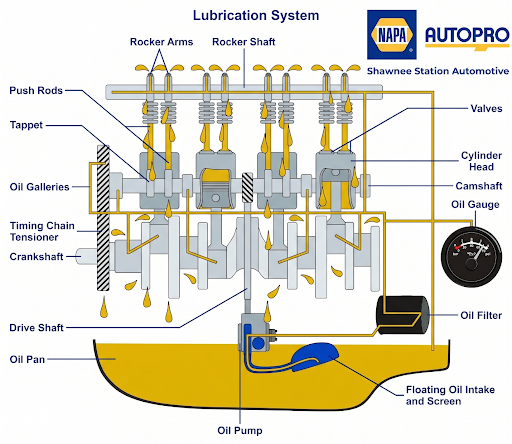
Oil and coolant should stay separate. If the head gasket fails between an oil passage and a coolant passage, the two fluids can mix. Engine oil may look milky, tan, or foamy on the dipstick or under the oil cap. Coolant may look oily, sludgy, or contaminated inside the reservoir.
This is a serious warning sign. Coolant does not lubricate engine parts the way oil does, and oil contamination can reduce the cooling system’s ability to control temperature. If the fluids look wrong, avoid driving until the vehicle has been inspected.
Bubbles In The Coolant Reservoir
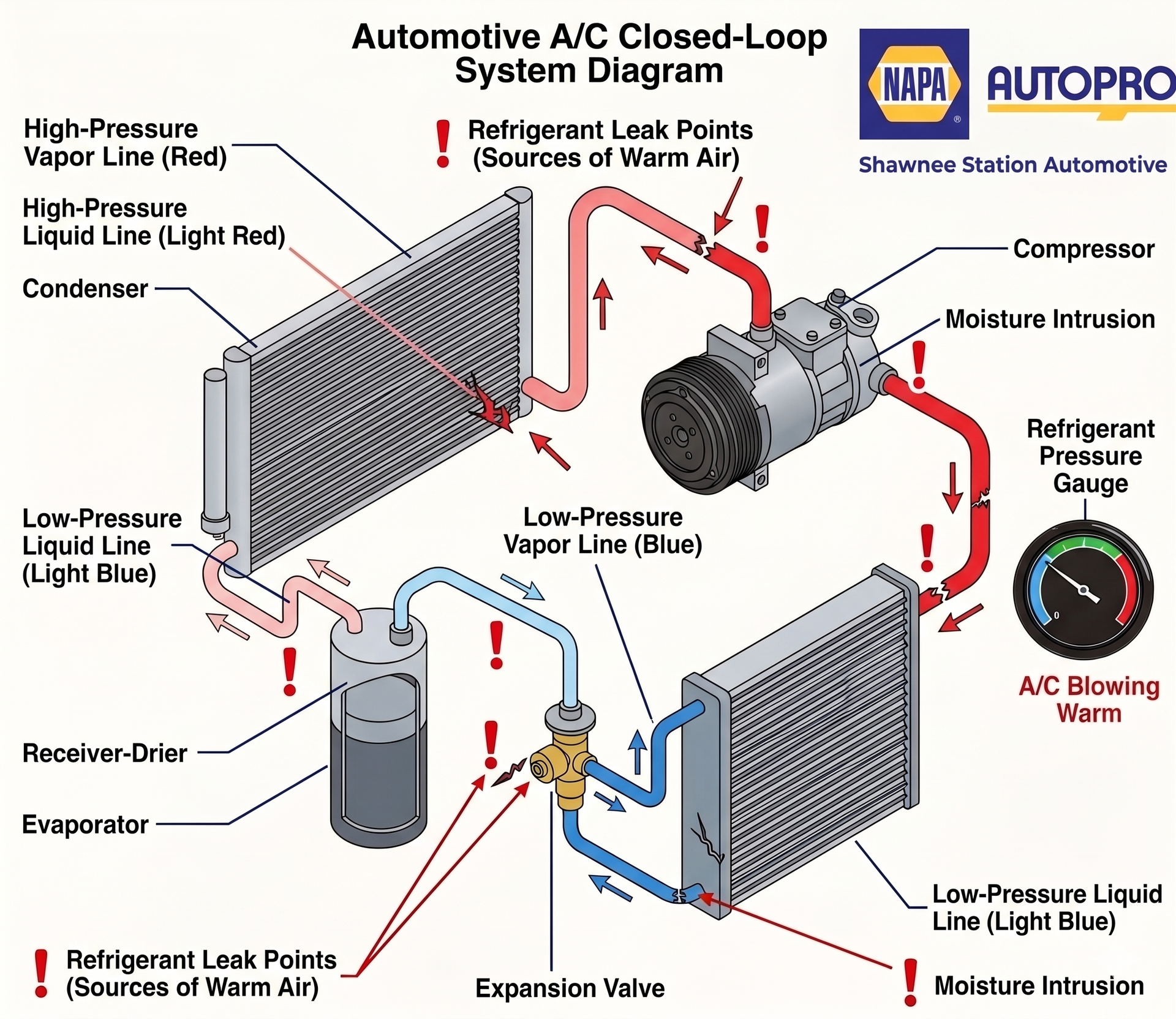
Combustion pressure can enter the cooling system through a damaged head gasket. When that happens, you may notice bubbles in the coolant reservoir or radiator. The system may also build pressure too quickly, push coolant out, or overheat again soon after being refilled.
This is not the same as normal coolant movement. Continuous bubbling, repeated coolant overflow, or hoses that become unusually hard shortly after startup can point toward pressure entering the cooling system from the cylinders. That kind of problem needs testing, not just more coolant.
Rough Running Or A Misfire After Overheating
A blown head gasket can cause rough running if coolant enters a cylinder. The engine may stumble at startup, shake at idle, misfire, or set a check engine light. Sometimes the rough running is worse after the car sits because coolant slowly leaks into a cylinder while the engine is off.
A misfire after overheating should be taken seriously. Spark plugs can indicate coolant contamination, and a compression or leak-down test can help confirm whether the cylinder is sealing properly. Regular maintenance helps reduce overheating risks, but once the engine overheats, symptoms like rough running require prompt attention.
Overheating That Comes Back Again
If the engine overheats again after coolant has been added, the original cause may still be present. A thermostat could be stuck, a fan may not turn on, or a leak may remain. A damaged head gasket can also cause overheating to repeat because the cooling system cannot hold pressure, or combustion gases are entering the coolant.
Repeated overheating is hard on every part of the engine. Gaskets, hoses, seals, sensors, and the radiator can all suffer from heat. Repeated temperature spikes while driving can turn a repairable cooling system issue into a major engine problem.
How A Shop Tests For Head Gasket Trouble
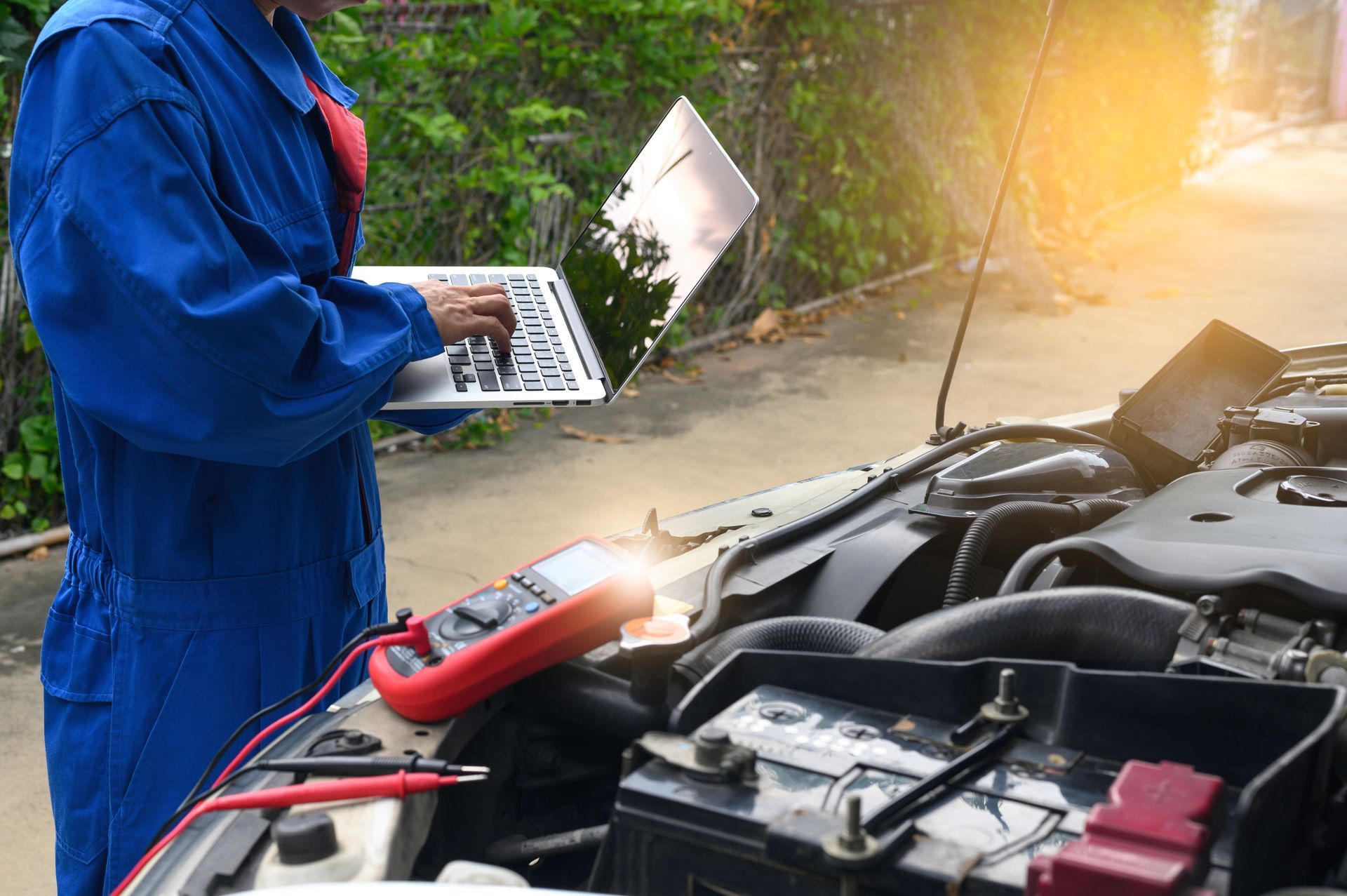
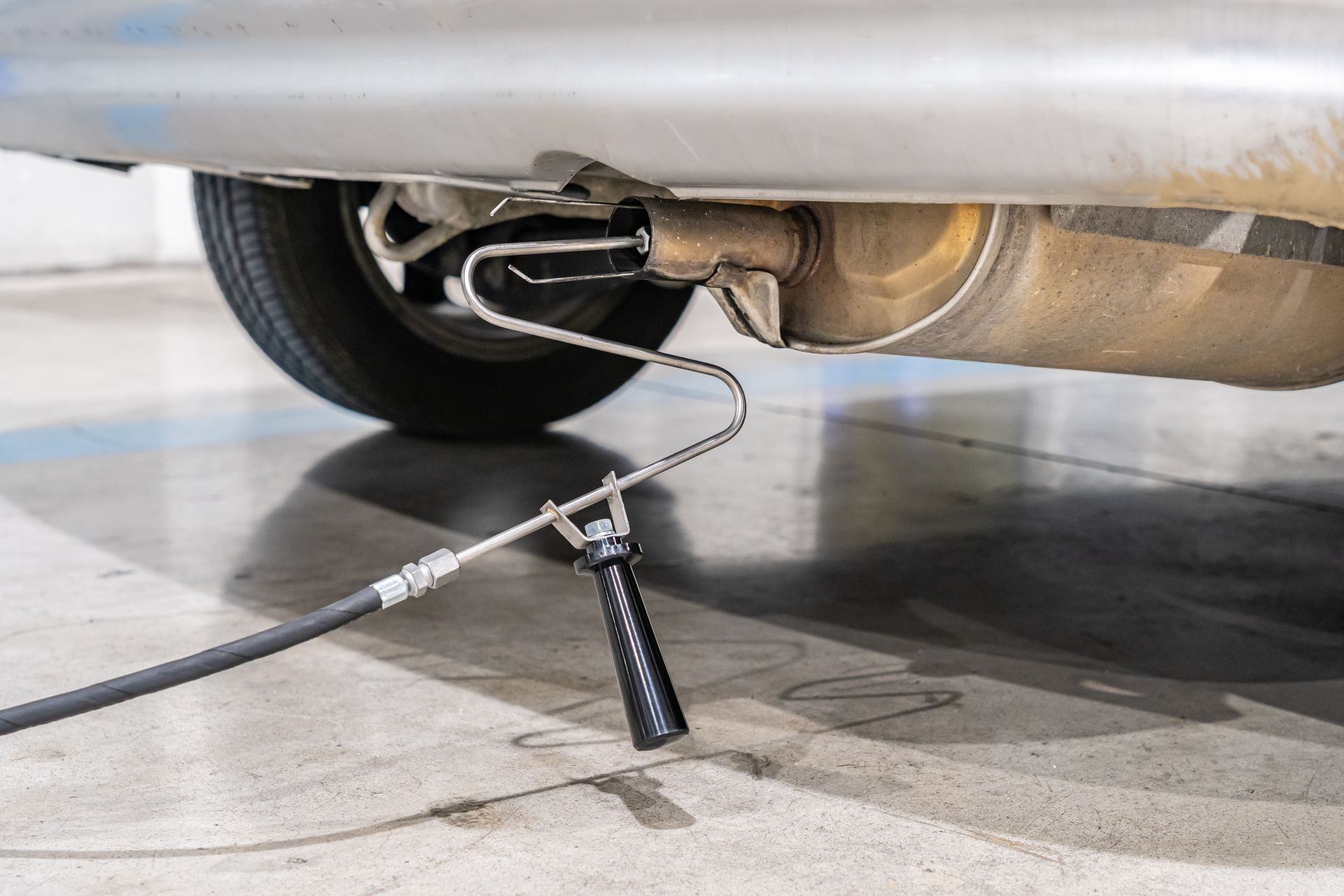
Head gasket failure should not be diagnosed based on a single symptom. A shop may perform a cooling system pressure test, combustion gas test, compression test, leak-down test, spark plug inspection, oil and coolant check, or scan for misfire data. The goal is to prove where the leak is and how serious it is.
That matters because overheating does not always mean the head gasket failed. Sometimes the repair is a hose, radiator, thermostat, water pump, cooling fan, or cap. Careful testing keeps the repair plan honest and helps avoid replacing expensive parts without proof.
Get Head Gasket And Overheating Repair In Calgary, AB, With Shawnee Station Automotive
If your vehicle overheated and now has white exhaust smoke, coolant loss, milky oil, bubbling coolant, rough running, or repeat temperature problems, Shawnee Station Automotive in Calgary, AB, can test the cooling system and engine for damage.
For clear answers after an overheating issue, contact us to schedule an appointment.