Car Emergency Kits - Are They A Necessity?

January 27, 2024

You're driving through a serene landscape, the radio playing your favorite tunes when suddenly, your car sputters to a stop. In moments like these, a car emergency kit transforms from a mere item in your trunk to a beacon of hope and safety. These kits, often overlooked in our daily commutes, can be the unsung heroes in times of unexpected vehicular predicaments. 


So, let's delve into the world of car emergency kits, exploring their critical role, what they should contain, and why every vehicle should be equipped with this essential lifeline.


The Essentiality of Car Emergency Kits


Car emergency kits are more than a precaution; they're a crucial component in ensuring driver and passenger safety in unforeseen situations. The necessity of these kits stems from their ability to provide essential tools and resources during unexpected events such as vehicle breakdowns, weather-related emergencies, or even minor accidents. A well-prepared kit can be the difference between a minor inconvenience and a dire situation, offering both practical solutions and peace of mind.


Essentials for Your Emergency Kit


The contents of an emergency kit can vary based on individual needs and geographic location, but certain items are universally recommended:

  • First-Aid Supplies: Band-aids, antiseptics, pain relievers, and necessary medications.
  • Roadside Assistance Tools: Tire inflator, jumper cables, and basic tools.
  • Safety Gear: Reflective warning triangles, a flashlight, and a whistle.
  • Survival Items: Non-perishable snacks, water, and blankets.
  • Communication Devices: A fully charged power bank and an emergency radio.


Strategic Storage of Your Emergency Kit


The effectiveness of a car emergency kit also depends on its accessibility. Ideally, the kit should be stored in an easily reachable spot, like the trunk or under a seat. It's vital to ensure that the kit is secured and organized, preventing damage to its contents while the vehicle is in motion.


3 Frequently Asked Questions


Q1: How often should I update my car emergency kit?

A: It's advisable to review and update your emergency kit at least twice a year to ensure all items are functional and within their expiration dates.


Q2: Is a car emergency kit necessary in urban areas?

A: Absolutely. Even in urban areas, emergencies can occur, and having an emergency kit can be invaluable during unexpected situations like gridlocks or mechanical failures.


Q3: Can I buy a pre-assembled car emergency kit or should I build my own?

A: Pre-assembled kits are a great starting point, but it's beneficial to customize your kit according to personal needs, local climate conditions, and the specific needs of your vehicle.


Having car trouble or a roadside emergency? Call Shawnee Station Automotive, and we will be happy to help! Our team is ready to handle anything from a simple oil change to complex transmission breakdowns.
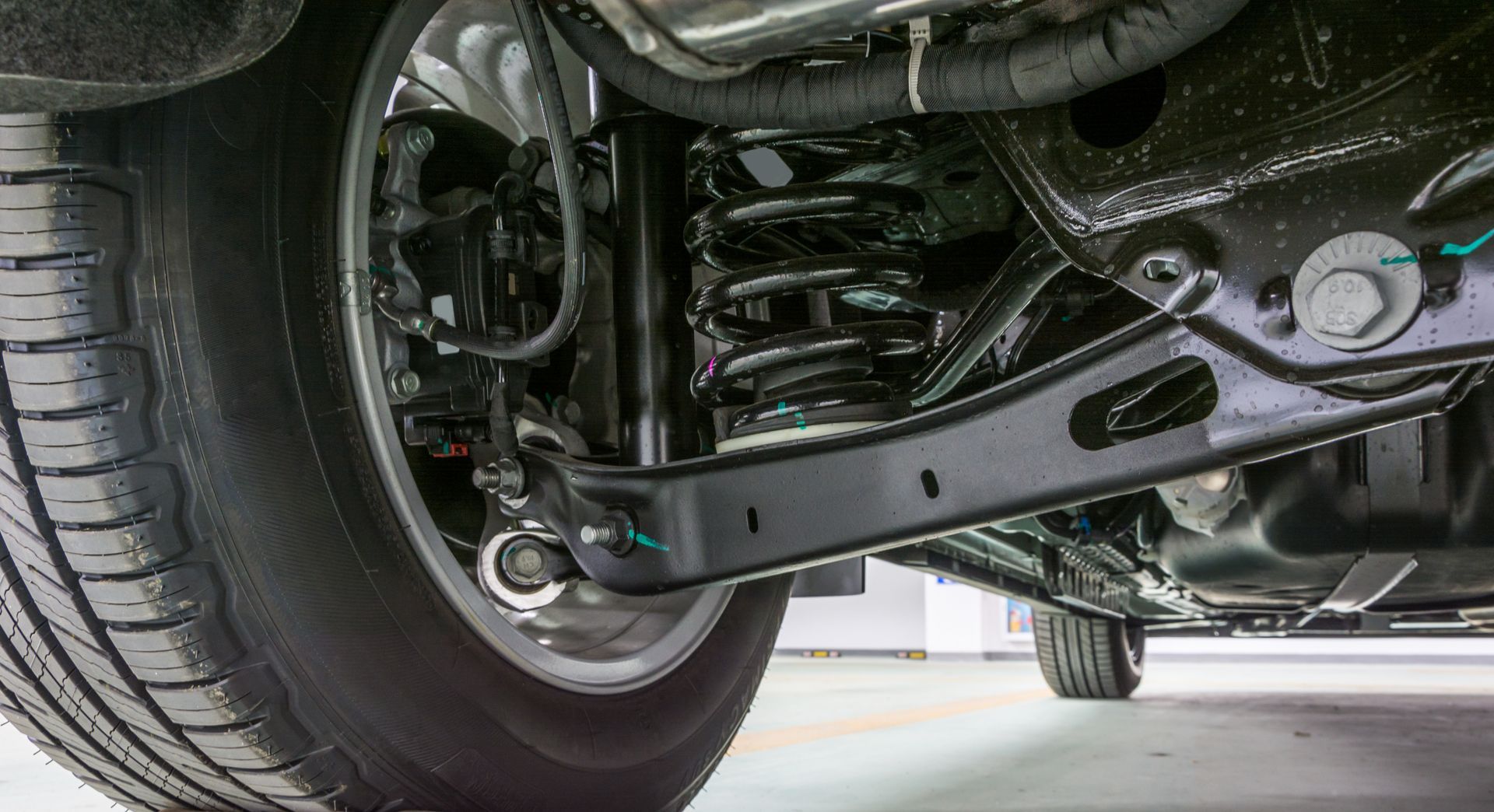
How Can I Protect My Dashboard From Cracking | Shawnee Station Automotive Calgary, AB
April 30, 2026
Learn how to protect your dashboard from cracking with simple tips that reduce sun damage, heat, dryness, and long-term interior wear to keep your car looking its best.
April 3, 2026
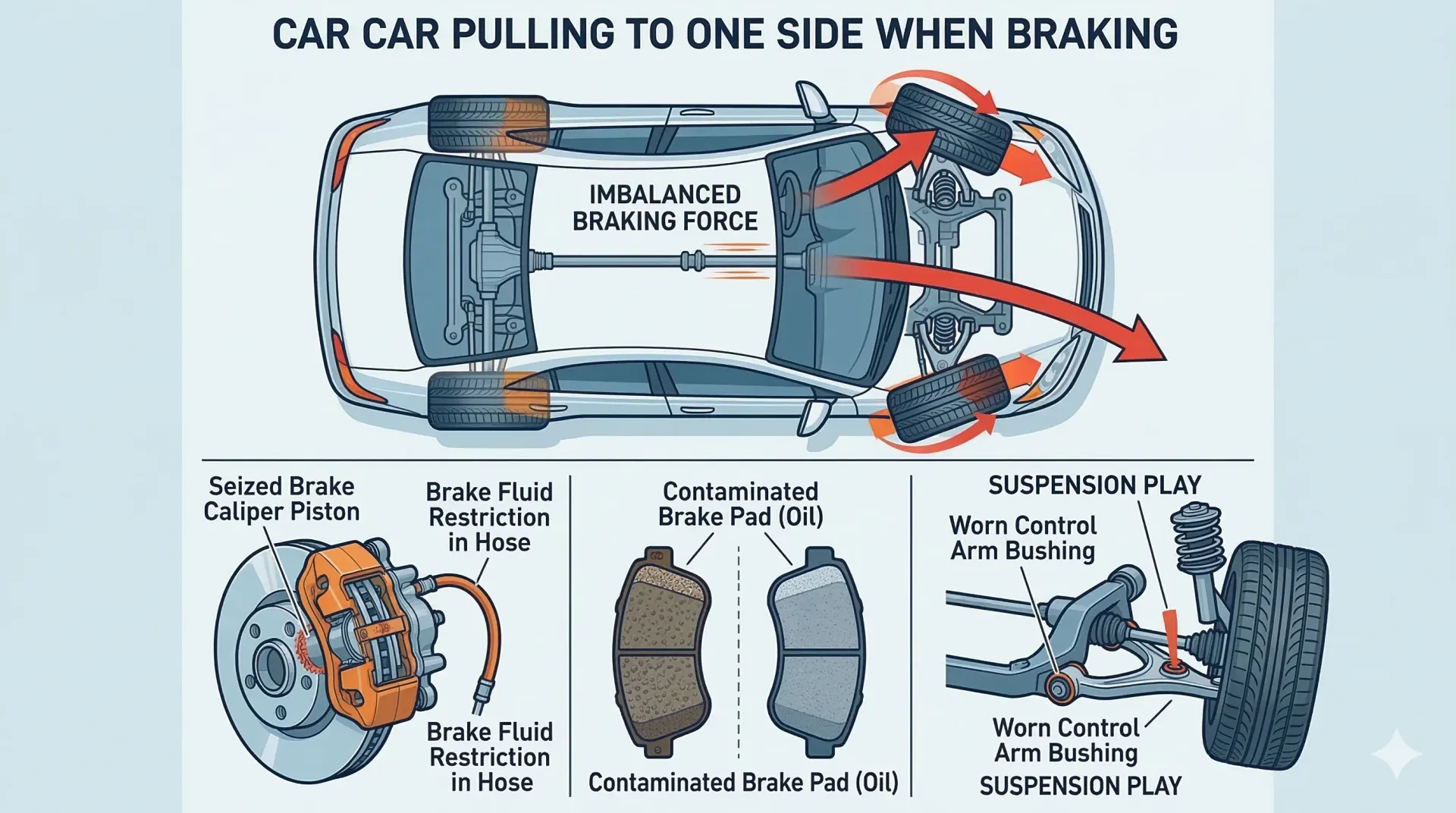
When a vehicle is functioning correctly, it should maintain a straight path during deceleration. If the steering wheel tugs to one side or the vehicle drifts toward the shoulder when you press the brake pedal, it is a clear indication of an imbalance in the braking or suspension system. This phenomenon is not merely an annoyance; it is a sign that one side of the vehicle is providing more stopping force than the other, or that the mechanical geometry of the car is compromised. The Primary Culprits of Brake Pulling Understanding why this occurs requires a look at how hydraulic and mechanical forces work together to stop a vehicle weighing several thousand pounds. 1. A Seized or "Stuck" Brake Caliper The brake caliper is the component that houses the brake pads and uses hydraulic pressure to squeeze them against the rotor. Inside the caliper is a piston. Over time, road grime, rust, or heat can cause this piston to seize. If the left caliper is seized: It may not apply pressure at all, causing the right side to do all the work. Consequently, the car pulls to the right. If the caliper is stuck "on": It might stay partially applied even when you are not braking, leading to extreme heat and a pull toward that side during operation. 2. A Collapsed Internal Brake Hose While the exterior of a brake hose might look fine, the internal lining can collapse. This creates a "one-way valve" effect. Brake fluid is forced into the caliper under high pressure when you step on the pedal, but it cannot return easily. This causes the brake on that side to stay applied longer than the other, resulting in a distinct pull. 3. Contaminated Brake Pads Brake pads require a specific coefficient of friction to work. If oil, grease, or leaking brake fluid gets onto the surface of the pads on one side of the car, those pads will lose their "bite." When you brake, the "clean" side will grab effectively while the "contaminated" side slides, pulling the car toward the side that is still working correctly. Comparing Causes of Pulling: At a Glance The following table outlines the most common reasons for a vehicle pulling during braking and how a technician identifies the root cause.
What Can A Computer Diagnostic Find About My Car? | Shawnee Station Automotive
March 27, 2026
Shawnee Station Automotive in Calgary, AB, explains what a computer diagnostic can reveal about your car beyond warning lights.
5 Most Common Reasons Your Car Fails An Emissions Test | Shawnee Station Automotive
February 27, 2026
Shawnee Station Automotive in Calgary, AB, explains five common reasons cars fail emissions tests and how to prepare for a retest.
What Does Low Coolant in the Reservoir Usually Mean? | Shawnee Station Automotive
January 30, 2026
Shawnee Station Automotive in Calgary, AB, explains what low coolant in the reservoir usually means and which cooling system leaks are most common.
Top Reasons Why You Should Use Your Vehicle's Owner's Manual | Shawnee Station Automotive
December 19, 2025
Shawnee Station Automotive in Calgary, AB, explains why using your vehicle’s owner’s manual can prevent mistakes and improve day-to-day car care.
How Does Uneven Tire Wear Hint at a Hidden Wheel Alignment Problem | Shawnee Station Automotive
November 28, 2025
Shawnee Station Automotive in Calgary, AB, discusses how uneven tire wear can point to hidden alignment issues you might not see at first glance.
5 Reasons to Use a Block Heater in the Cold Alberta Weather | Shawnee Station Automotive
October 31, 2025
Shawnee Station Automotive in Calgary, AB, shares five practical benefits of using a block heater to protect your engine in freezing weather.
Is Your Car’s Suspension Ready for Rough, Icy Roads in Alberta? | Shawnee Station Automotive
September 26, 2025
Shawnee Station Automotive in Calgary, AB, explains how to prepare your suspension for icy Alberta winter driving.
Top 5 Back-to-School Car Maintenance Tips | Shawnee Station Automotive
August 29, 2025
Shawnee Station Automotive in Calgary, AB, shares top back-to-school car maintenance tips to keep your vehicle safe and reliable.