A trunk lid that will not stay open can go from mildly annoying to painful very quickly. You lift it, reach for a grocery bag or tool, and the lid slowly drops back onto your arm or head. Sometimes it only happens on colder mornings. Other times the trunk will not hold itself up at all.
Most trunk lids use gas-filled lift supports, torsion bars, or spring mechanisms to counter the lid's weight. When those parts weaken, break, or bind, the trunk can no longer support itself properly. The way the lid falls usually gives us a good clue about which part needs attention.
Worn Gas Lift Supports Are a Common Cause
Many vehicles use small gas-charged struts to hold the trunk open. Each support contains pressurized gas and hydraulic oil that control how the rod extends and moves.
As the seals age, pressure gradually escapes. The support may still help lift the trunk but no longer have enough force to hold it at the top. A common progression is a lid that first starts sagging slightly, then requires a push to stay open, and eventually drops as soon as you let go.
At our shop, if one support has clearly weakened, we also check the other side. The pair has handled the same number of openings and the same weather, so installing one new support next to a badly worn one can make the trunk operate unevenly.
Cold Calgary Weather Can Make Weak Supports More Noticeable
Gas pressure changes with temperature. When the weather gets colder, a marginal trunk strut can produce less lifting force than it did during summer.
That is why some owners notice a trunk that stays open perfectly well in July but begins sinking when Calgary temperatures drop below freezing. The cold has not necessarily caused the entire failure overnight. More often, it exposes a support that has already lost much of its original pressure.
If the trunk recovers when the weather warms, the supports are still worth checking. A healthy set should hold the lid under the normal temperature conditions the vehicle was designed to handle.
Some Trunks Use Torsion Bars or Springs Instead
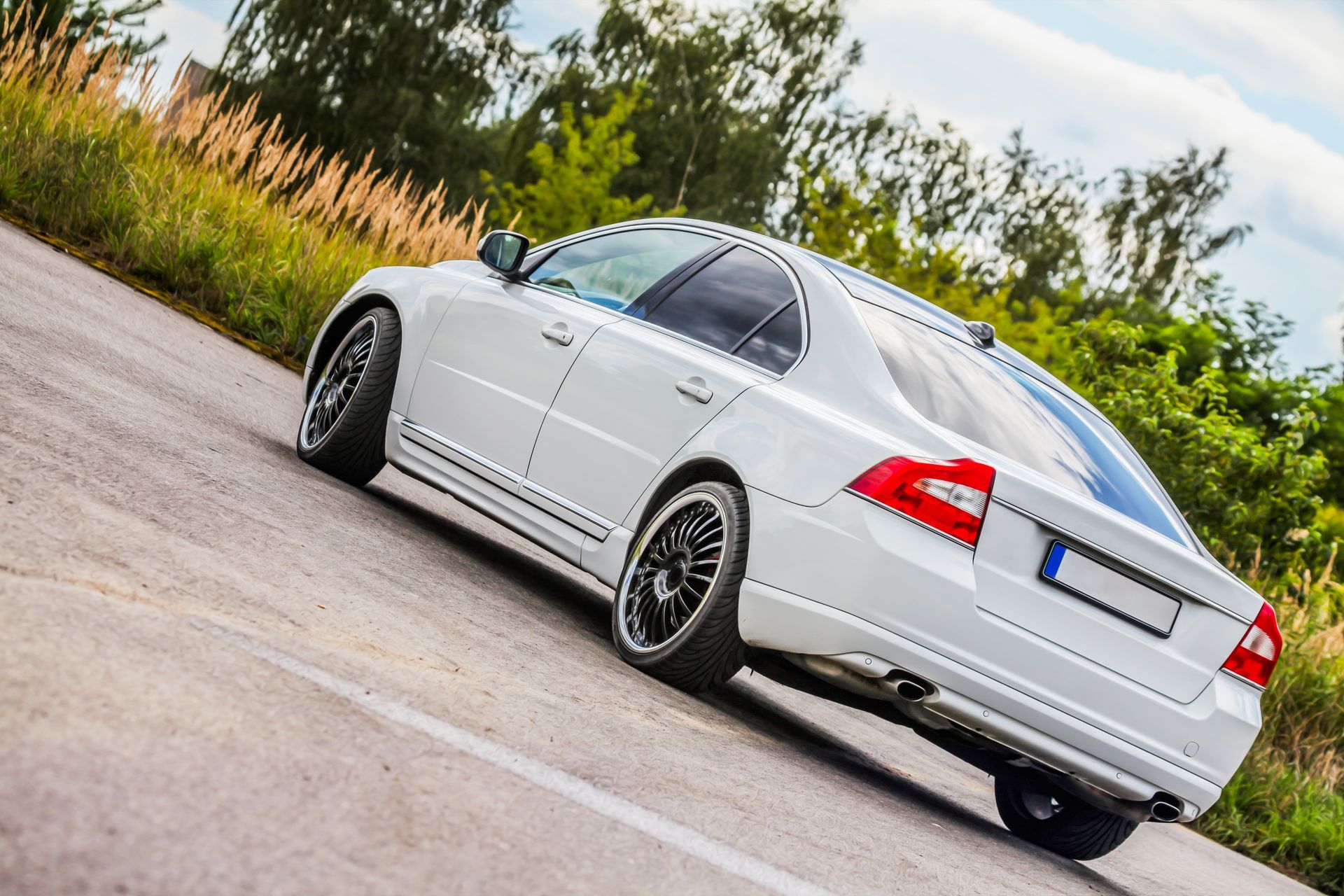
Not every trunk has gas struts. Many sedans use metal torsion bars or coil springs near the hinges to provide lifting force.
These parts can weaken, break, slip out of position, or lose tension. A broken torsion bar may cause the lid to feel unusually heavy all at once. Sometimes one side still helps while the other does very little, making the lid harder to raise and easier to drop.
Working around trunk springs requires care because they can store a significant amount of energy. If one has broken or moved out of place, forcing it back with improvised tools is not a good idea.
Hinges Can Bind or Become Misaligned
The lifting mechanism cannot work correctly if the hinges themselves are fighting the movement. Rust, bent hinge arms, loose mounting points, or previous collision damage can make the trunk difficult to move through part of its travel.
You may notice:
- The lid feels heavy at one point
- One side sits higher than the other
- The trunk rubs against the body
- A hinge makes a creaking or popping noise
- The lid needs extra force to reach fully open
- The trunk gap looks uneven when closed
During an inspection, we check whether the lid moves freely before blaming the supports. New struts cannot compensate for a hinge that is binding badly.
Added Weight Can Overpower the Original Supports
Trunk supports are selected for the weight of the factory lid. Adding a large spoiler, sound-deadening material, custom trim, or other accessories can change that balance.
Even supports that are still reasonably strong can struggle if the lid has become heavier. This can also happen after body repair if replacement components differ from the original setup. If the problem started after adding something to the trunk lid, mention that detail.
The repair may involve adding stronger, application-specific supports where appropriate, correcting the added weight, or ensuring the correct factory parts are installed.
Power Trunk Systems Have More Parts to Check
Some vehicles use powered trunk opening systems rather than simple passive supports. These setups can include electric drive units, motors, position sensors, control modules, switches, and anti-pinch functions.
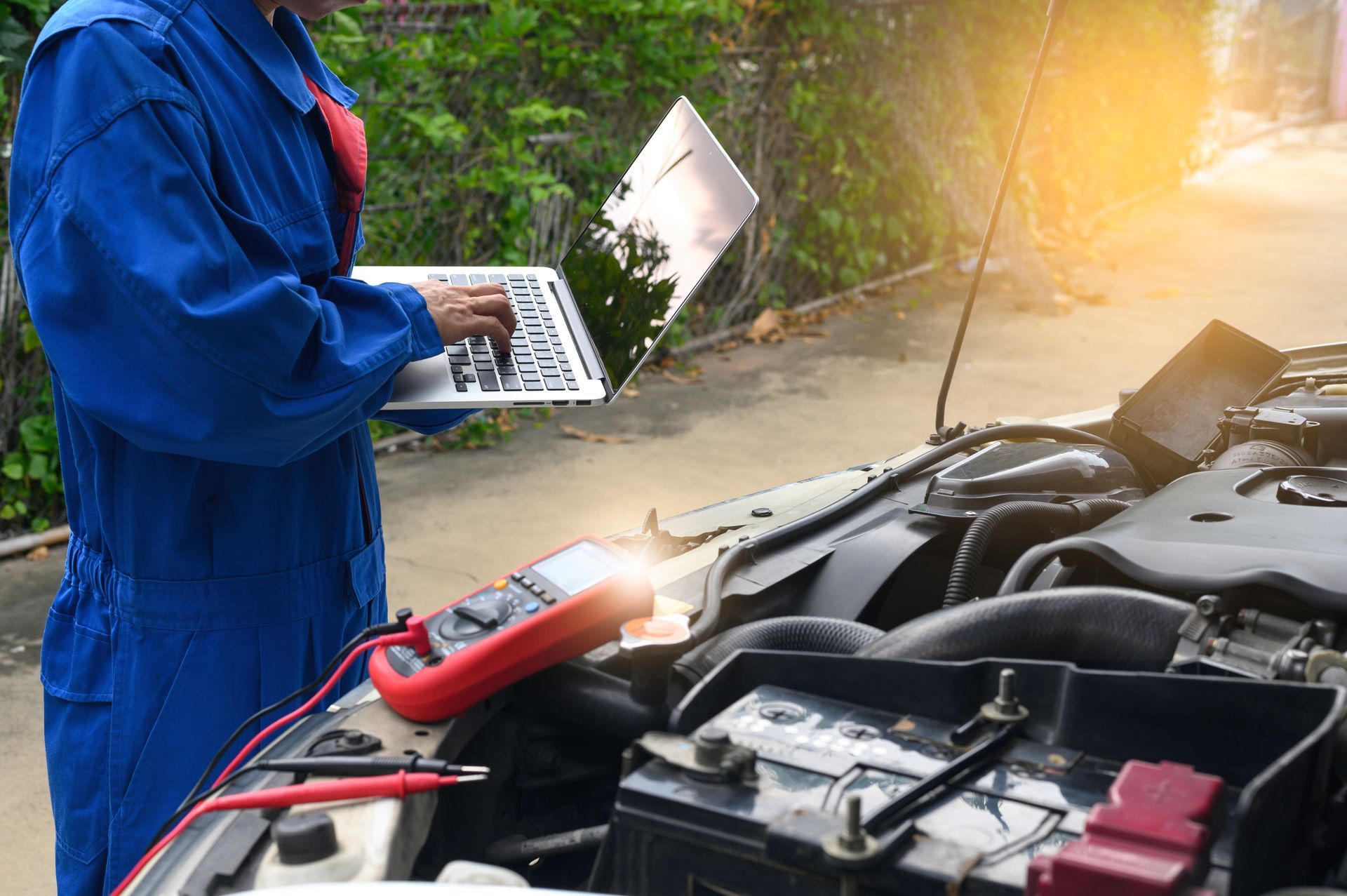
If a powered lid starts dropping, stopping halfway, or reversing direction, the problem may be electrical or mechanical. A weak battery can also affect operation on some vehicles. We check whether the system is being commanded correctly and whether the lid moves freely before replacing an expensive power actuator.
Do Not Ignore a Lid That Drops Without Warning
A trunk lid that will not stay open is more than a convenience problem. Once the supports become weak enough, the lid can fall quickly, especially if wind or vehicle angle changes its balance.
Avoid propping it up with a loose broom handle or another object that can slip while you reach inside. If the trunk feels significantly heavier than it used to or falls as soon as you release it, have the lifting mechanism repaired.
Get Trunk Lid Repair In Calgary, AB, With Shawnee Station Automotive
If your trunk lid will not stay open, feels unusually heavy, or starts dropping in cold weather, Shawnee Station Automotive in Calgary, AB, can check the lift supports, springs, hinges, alignment, and powered trunk components where equipped.
Schedule a trunk lid check before a weak support or damaged hinge lets the lid fall unexpectedly.